Introduction
Riding a motorcycle in rainy weather can be challenging, especially when the roads become slippery and visibility decreases. Rain changes the way a motorcycle handles, making it important for riders to adjust their speed, maintain a safe distance, and pay closer attention to road conditions. Whether you ride a motorcycle every day for commuting or enjoy occasional long journeys, understanding how to ride safely in the rain can help you avoid unnecessary risks.
In my opinion, safe motorcycle riding is not just about having good riding skills. It is also about understanding the weather, preparing your motorcycle, and making sensible decisions before and during a journey. Even experienced riders need to be careful when rain begins because wet roads can behave differently from dry surfaces.
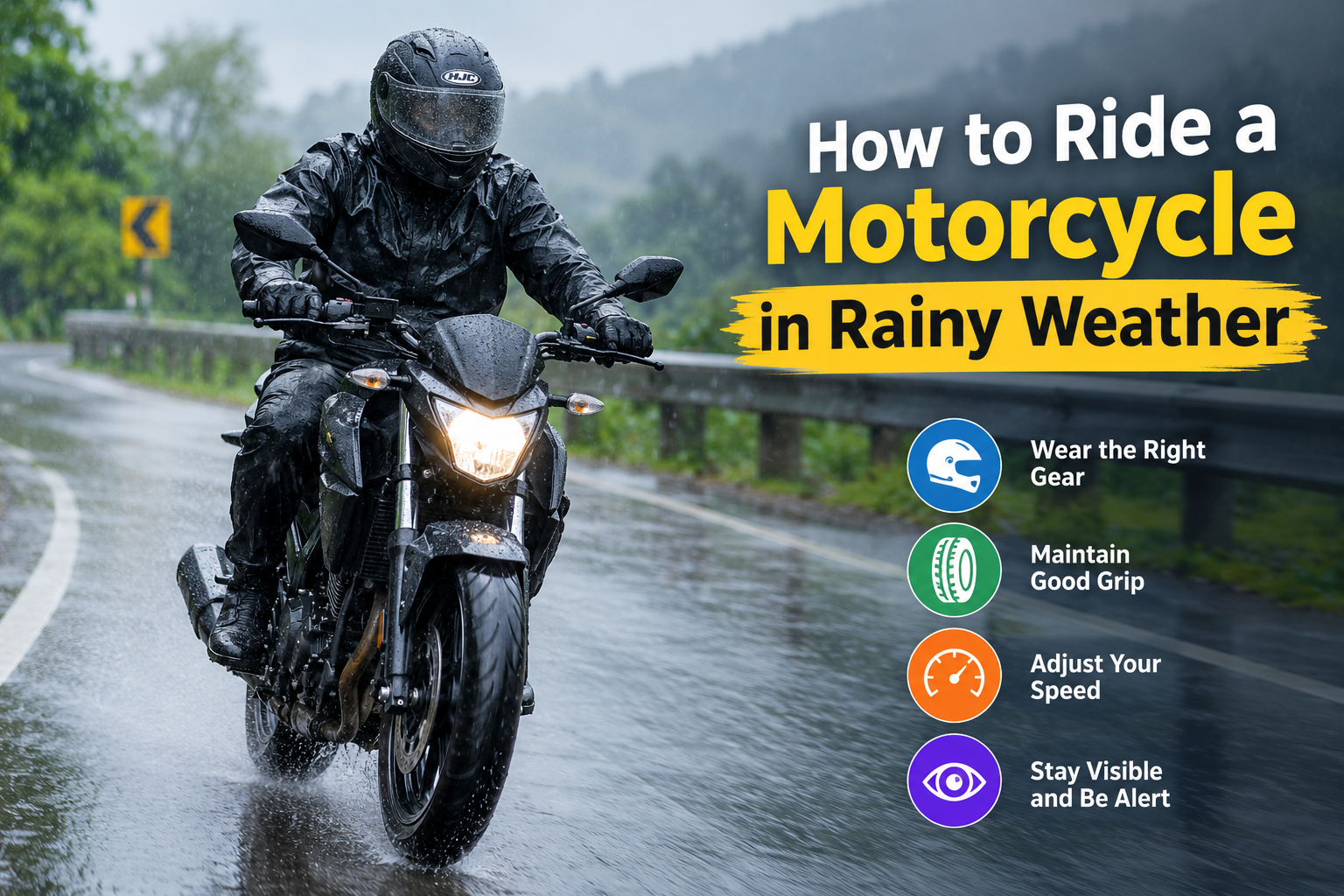
In this article, I will share practical tips on how to ride a motorcycle in rainy weather, including choosing the right riding gear, controlling your speed, maintaining tire grip, and improving visibility. These simple habits can help make rainy day motorcycle riding safer and more comfortable.
1. Check Your Motorcycle Before Riding in the Rain
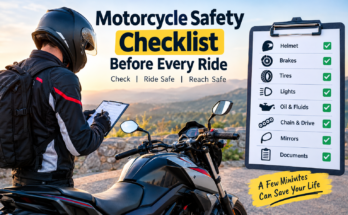
Before riding a motorcycle in rainy weather, I recommend checking the motorcycle carefully. A well maintained motorcycle is easier to control and can help reduce the risk of mechanical problems when road conditions are difficult.
Start by checking your tires. Motorcycle tires are responsible for maintaining contact with the road, and their condition becomes particularly important on wet surfaces. Make sure the tread is not excessively worn and that tire pressure matches the manufacturer’s recommendations.
Next, inspect your brakes. Both front and rear brakes should work properly without unusual noises or excessive lever movement. Check the headlights, tail light, brake light, and turn signals to ensure other road users can see you clearly.
It is also helpful to inspect the chain, mirrors, and other important components before leaving home. If your motorcycle has a maintenance problem, address it before riding in heavy rain.
A few minutes of preparation can make a meaningful difference to your safety on wet roads.
2. Wear Proper Motorcycle Riding Gear
Choosing the right motorcycle riding gear is essential when riding in rainy weather. Wet clothing can make you uncomfortable, distract you from the road, and reduce your ability to concentrate during a journey.
A waterproof motorcycle jacket and trousers can help keep rain away from your body. Look for riding gear that provides protection against abrasion and includes suitable protective padding. Ordinary raincoats may offer water resistance, but they do not necessarily provide the protection needed during a motorcycle accident.
Always wear a properly fitted, certified motorcycle helmet. A full face helmet with a clean visor can help protect your face from rain, wind, and road debris. Anti fog treatments or a compatible anti fog insert can also improve visibility when moisture builds up inside the visor.
Waterproof motorcycle gloves are another useful investment. Your hands need to remain comfortable enough to operate the throttle, clutch, and brakes smoothly. Waterproof riding boots can help keep your feet dry while providing protection around your ankles.
I believe proper riding gear is worth prioritizing because comfort and protection become even more important when the weather turns bad.
3. Reduce Your Speed on Wet Roads
One of the most important motorcycle rain riding tips is to reduce your speed. Wet roads can reduce available tire grip, and stopping distances may increase depending on the tires, road surface, and braking conditions.
When riding in the rain, avoid sudden acceleration and unnecessary speed changes. Keep your motorcycle moving at a controlled pace that allows you enough time to respond to traffic, potholes, and unexpected obstacles.
Do not assume that the posted speed limit is always a safe speed for the current weather. A speed that feels comfortable on a dry road may be too fast when visibility is poor or water has collected on the surface.
I recommend looking well ahead rather than focusing only on the road directly in front of the motorcycle. This gives you more time to notice traffic signals, sharp turns, standing water, and vehicles slowing down.
The goal is not simply to ride slowly. It is to maintain a speed that allows you to control the motorcycle smoothly and respond safely to changing conditions.
4. Maintain a Safe Following Distance
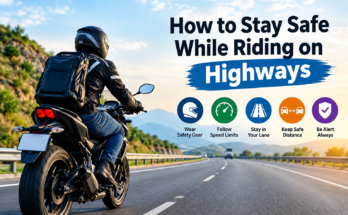
Maintaining a safe following distance is particularly important during rainy weather. When the road is wet, you may need more time and distance to stop safely, while the driver ahead may brake unexpectedly.
Avoid following cars, buses, trucks, and other motorcycles too closely. Leave enough space to react if the vehicle in front suddenly slows down or encounters an obstacle.
Large vehicles can also spray water onto your visor, temporarily reducing visibility. Staying farther back can help you maintain a clearer view of the road.
Try to anticipate traffic movements rather than waiting until the last moment to react. If you see brake lights ahead, begin assessing the situation early and reduce your speed smoothly when necessary.
A safe following distance also gives you more room to identify potholes, road debris, and slippery patches that might otherwise remain hidden behind another vehicle.
5. Brake Smoothly and Avoid Sudden Movements
Braking requires extra care when riding a motorcycle in the rain. Sudden or aggressive braking can overwhelm the available tire grip, particularly on slippery surfaces.
Use both brakes appropriately and apply pressure progressively. Avoid grabbing the front brake abruptly or stamping hard on the rear brake. Smooth braking helps maintain stability and gives the tires a better chance of retaining traction.
If your motorcycle has an anti lock braking system, it can help reduce the likelihood of wheel lock during hard braking. However, ABS cannot create additional grip on a slippery road, so careful braking remains important.
You should also avoid sudden steering inputs. Sharp turns, aggressive lane changes, and abrupt acceleration can upset the motorcycle’s balance.
When approaching a corner, reduce your speed before entering the turn whenever possible. Maintain a smooth line through the corner and avoid unnecessary braking or acceleration while leaned over.
Practicing these habits in suitable conditions can help you develop better motorcycle control over time.
6. Watch Out for Slippery Road Surfaces
Not every part of a wet road offers the same amount of grip. Some surfaces become especially slippery when covered with water, oil, mud, or other debris.
Be cautious around painted road markings, metal manhole covers, steel plates, and smooth road surfaces. These areas can provide less traction when wet, particularly if you make sudden movements while crossing them.
The first rain after a dry period can be especially hazardous because accumulated oil and dirt may mix with water on the road.
Railway tracks, bridge surfaces, and roads covered with fallen leaves also deserve extra attention. When crossing a slippery feature, keep your motorcycle as upright as practical and avoid sudden braking or acceleration.
Potholes can become difficult to identify when filled with water. Watch for changes in the road surface and avoid riding through deep puddles when you cannot judge their depth.
If a road appears flooded, do not assume your motorcycle can pass safely. Water may hide potholes, debris, damaged pavement, or dangerous currents. Turn around or choose another route when necessary.
7. Improve Your Visibility in Heavy Rain
Visibility becomes a major concern when riding a motorcycle in rainy weather. Rain, mist, road spray, and cloudy conditions can make it harder for other road users to notice you.
Use your headlight as required by local law and make sure your lighting system works properly. Keep your visor clean and use suitable anti fog measures to prevent moisture from obstructing your view.
Bright or reflective riding gear can help other drivers notice you more easily. Reflective strips on a jacket, helmet, or motorcycle can be particularly useful in low light conditions.
Avoid riding in the blind spots of cars and larger vehicles. Position yourself where you can see traffic ahead and where drivers have a reasonable opportunity to notice your motorcycle.
Remember that visibility works both ways. You also need to see road signs, pedestrians, cyclists, and vehicles clearly. If heavy rain makes it difficult to see safely, find a suitable place away from moving traffic to stop and wait for conditions to improve.
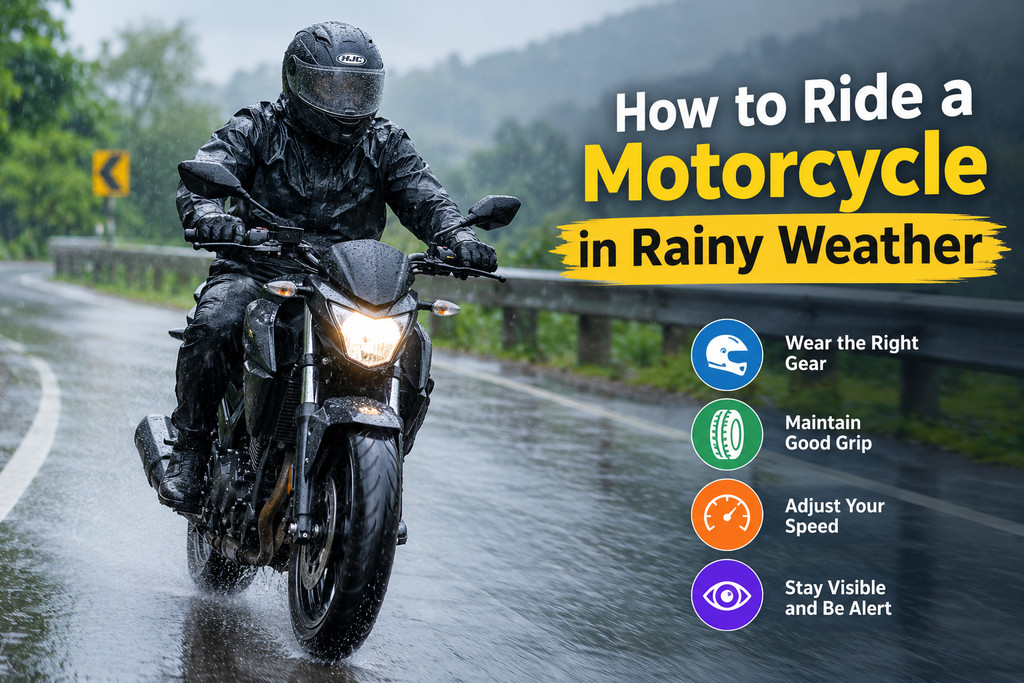
8. Keep Your Motorcycle Tires in Good Condition
Tire condition has a direct effect on motorcycle handling in wet weather. Worn tread can reduce the tire’s ability to channel water away from the contact area, increasing the risk of losing grip in certain conditions.
Inspect your tires regularly for uneven wear, cracks, embedded objects, and other visible damage. Replace tires when they reach the manufacturer’s wear limit or show signs of damage that make them unsafe.
Maintain the recommended tire pressure rather than lowering it in an attempt to gain extra grip. Incorrect pressure can affect handling, stability, tire wear, and braking performance.
It is also important to use suitable motorcycle tires for your bike and riding conditions. Tires designed for normal road use may behave differently from specialist tires intended for other surfaces.
Even good tires cannot guarantee traction on every wet surface. Ride according to the conditions and remember that smooth control is just as important as tire quality.
9. Avoid Standing Water and Flooded Roads
Standing water can hide serious hazards, especially during heavy rainfall. A puddle might cover a pothole, loose gravel, damaged pavement, or debris that could destabilize your motorcycle.
Deep water can also affect the motorcycle’s electrical components and engine, depending on the bike’s design and the depth of the water. Moving floodwater presents an additional danger because its depth and force can be difficult to judge.
Whenever possible, avoid flooded roads entirely. Do not follow another vehicle into water simply because it managed to pass through. Different vehicles have different ground clearance, weight distribution, and mechanical limitations.
If water covers the road from one side to the other, choose a safer route or wait until the water recedes and the road can be assessed.
Never risk your safety just to save a few minutes. Reaching your destination late is far better than becoming stranded or injured.
10. Plan Your Journey According to the Weather
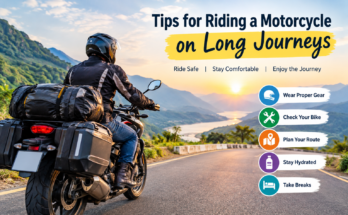
Good preparation begins before you start the engine. Check the weather forecast, particularly if you are planning a long motorcycle journey or travelling through unfamiliar areas.
Consider whether your trip is necessary when thunderstorms, severe flooding, or very poor visibility are expected. If conditions become dangerous, postponing the journey is often the safest decision.
Plan a route that avoids roads known for flooding or poor drainage whenever possible. Carry a charged mobile phone, identification, basic emergency supplies, and suitable waterproof storage for important belongings.
During longer journeys, take breaks to warm up, dry your visor, and check your motorcycle when necessary. Fatigue and discomfort can affect concentration, making it harder to respond to hazards.
If the rain becomes too heavy, stop at a safe location such as a suitable roadside facility or covered parking area. Avoid stopping on narrow shoulders, blind corners, or other locations where approaching traffic might not see you in time.
11. Ride Defensively Around Other Vehicles
Defensive riding means anticipating possible mistakes by other road users instead of assuming everyone will behave predictably.
During rainy weather, drivers may have difficulty seeing motorcycles through wet windows, mirrors, and windscreen spray. Pedestrians may also move unexpectedly while trying to avoid the rain.
Keep a safe distance from large vehicles and avoid sudden movements between lanes. Use your indicators before turning or changing lanes, and check your mirrors and blind spots before moving.
Be especially careful at intersections, roundabouts, and busy streets where vehicles frequently brake or change direction.
Never assume another driver has noticed you simply because you can see their vehicle. Ride in a way that gives you time and space to react if someone pulls out unexpectedly.
Defensive riding is not about being afraid of every vehicle. It is about staying alert and making decisions that reduce avoidable risks.
12. Know When to Stop Riding
Sometimes the safest motorcycle rain riding tip is to stop altogether. Severe weather can create conditions that are beyond a rider’s ability to manage safely.
Heavy rainfall, flooding, strong winds, lightning, and extremely poor visibility can make continuing a journey dangerous. If you cannot see the road clearly or maintain stable control, find a safe place to stop.
Avoid sheltering directly beneath isolated trees during thunderstorms, and do not stop where your motorcycle creates a hazard for other road users.
Wait until conditions improve before continuing. If the weather remains dangerous, consider arranging alternative transportation.
There is no benefit in taking unnecessary risks simply because you have already started the journey. Good riding judgment includes knowing when not to ride.
Conclusion
Learning how to ride a motorcycle in rainy weather requires patience, preparation, and a strong focus on safety. Wet roads can reduce traction, visibility can become limited, and unexpected hazards may appear with little warning. However, understanding these risks can help riders make better decisions.
In my view, the most important habits are checking your motorcycle before departure, wearing proper protective gear, reducing speed, maintaining a safe following distance, and using smooth braking and steering techniques. It is equally important to avoid flooded roads, remain visible to other drivers, and stop when conditions become too dangerous.
Every motorcycle rider should remember that reaching the destination safely matters more than reaching it quickly. By following these practical motorcycle rain riding tips and respecting changing road conditions, you can improve your riding habits and make more responsible decisions whenever rain begins to fall.
Ride carefully, stay alert, and never underestimate the challenges of wet roads.