Introduction
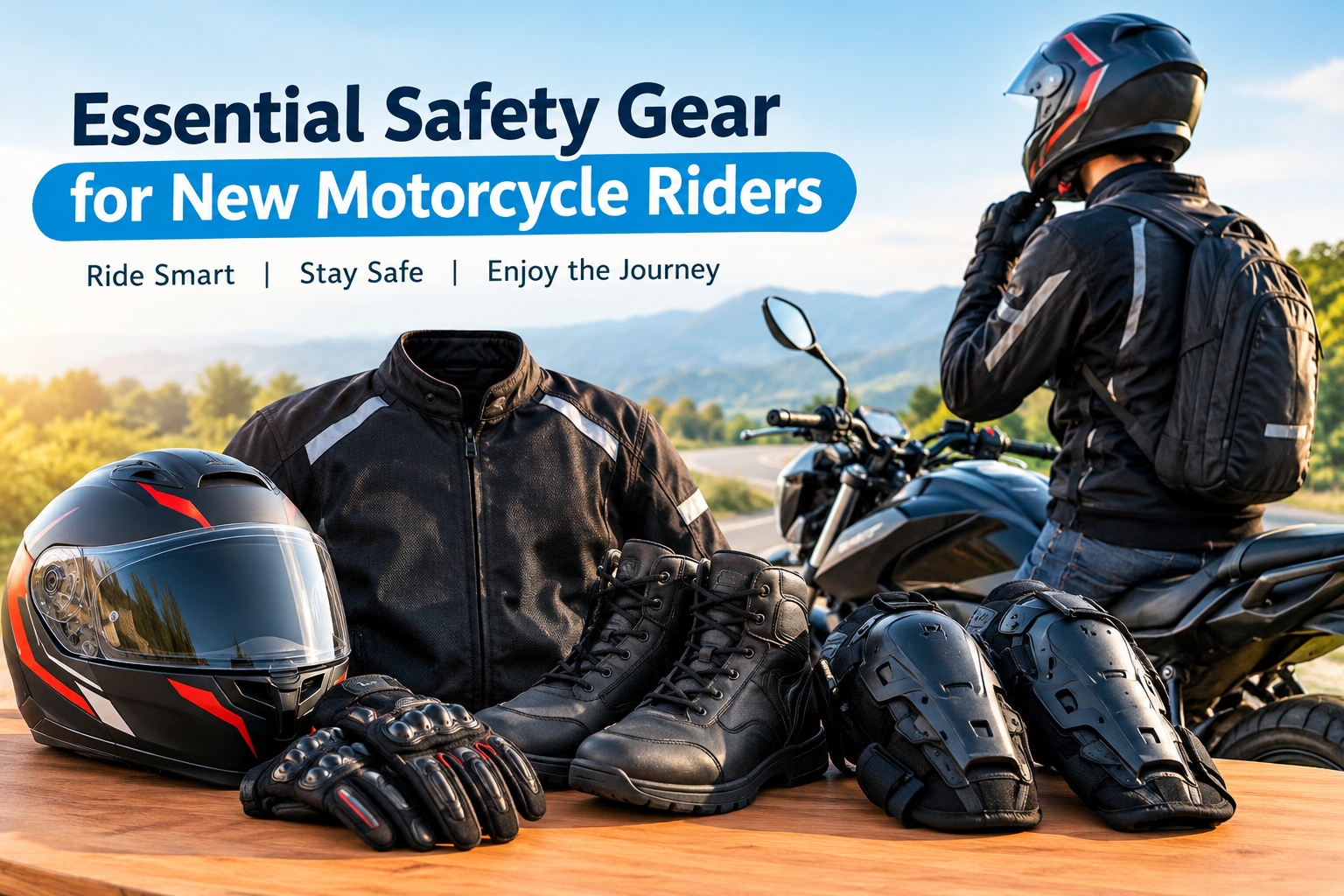
Motorcycle riding can be an exciting and convenient way to travel. Whether I am riding to work, visiting friends, or planning a long journey, I believe safety should always come first. For new motorcycle riders, learning how to control a bike is important, but choosing the right motorcycle safety gear is equally essential. Proper equipment can help protect the body from injuries, improve comfort, and make riding more enjoyable.
Many beginners focus on buying a motorcycle and learning basic riding skills. However, some riders overlook the importance of a good helmet, protective gloves, riding jacket, boots, and other safety equipment. In my opinion, investing in essential motorcycle safety gear is one of the smartest decisions a beginner can make.
The good news is that you do not need to purchase every expensive accessory immediately. You can start with the most important protective equipment and gradually improve your riding setup. In this guide, I will explain the essential safety gear for new motorcycle riders, how to choose suitable products, and why wearing proper protection matters on every ride.
1. Choose a Quality Motorcycle Helmet
A motorcycle helmet is the most important piece of safety equipment for any rider. It helps protect the head during an accident and can reduce the risk of serious head injuries. For beginners, selecting a suitable helmet should be the first priority.
I recommend choosing a full face helmet because it protects the top, sides, back, and front of the head, including the chin area. Open face helmets provide less facial protection, while half helmets leave much of the face exposed.
When buying a motorcycle helmet, consider the following factors:
- Safety certification: Choose a helmet that meets a recognized safety standard, such as UN ECE 22.06 or an applicable national standard. Check the certification label and buy from a reputable seller.
- Proper fit: The helmet should feel snug without causing painful pressure points. It should not move excessively when you gently shake your head.
- Comfort: Look for suitable ventilation, comfortable padding, and a secure retention strap.
- Visibility: A clear visor helps you see the road and surrounding traffic. Keep it clean and replace it if it becomes badly scratched.
I believe a helmet should never be selected based only on its design or price. Proper fit and verified safety certification are far more important than appearance.
2. Wear Protective Motorcycle Gloves
Motorcycle gloves are another essential item for new riders. During a fall, people often instinctively extend their hands to protect themselves. Without suitable gloves, the palms, fingers, and wrists can suffer painful injuries.
Good motorcycle gloves provide abrasion resistance, grip, and protection for the hands. They can also reduce discomfort caused by wind, vibration, and changing weather conditions.
When selecting riding gloves, look for reinforced palms, secure wrist closures, durable materials, and protective padding over the knuckles. Gloves should fit properly without restricting finger movement or making it difficult to operate the brake and clutch levers.
For hot weather, breathable gloves can improve comfort. For colder conditions, insulated gloves may be more appropriate.
In my view, ordinary fabric or gardening gloves are not a suitable replacement for motorcycle specific gloves. Choose equipment designed to protect your hands during riding.
3. Invest in a Protective Motorcycle Jacket
A motorcycle jacket protects the upper body from road abrasion, wind, and minor impacts. Although a regular jacket may look similar, motorcycle riding jackets are designed with protective features that ordinary clothing usually lacks.
A suitable riding jacket may include impact protectors at the shoulders and elbows, abrasion resistant fabric, reinforced stitching, and a pocket for a back protector. Some jackets also include chest protection or reflective details.
There are several options available for beginners.
Textile jackets are often practical because they can be lightweight, breathable, and suitable for different weather conditions.
Leather jackets can offer excellent abrasion resistance when specifically designed for motorcycle use. However, they may feel warm in hot weather.
Ventilated jackets are useful in warmer climates because they allow more airflow while maintaining protective coverage.
When shopping for a motorcycle jacket, check whether the garment has been tested to a recognized motorcycle protective clothing standard, such as EN 17092. Also, make sure the armor stays correctly positioned when you move.
I recommend choosing a jacket that fits comfortably while keeping the protective areas in place. A good jacket should allow you to move your arms naturally without becoming loose or uncomfortable.
4. Choose Proper Motorcycle Riding Pants
Many beginners wear ordinary jeans because they are comfortable and easy to find. However, regular denim generally provides limited protection against road abrasion and does not offer dedicated impact protection.
Motorcycle riding pants are designed to provide additional protection for the hips, knees, and legs. Some include impact protectors at the knees and hips, while reinforced fabrics help resist abrasion.
When choosing riding pants, consider your riding habits, local weather, and budget. Textile riding pants may be suitable for everyday use, while motorcycle specific denim can provide a more casual appearance with additional protective materials.
Look for properly positioned knee armor and check whether hip protection is included or available separately.
I believe protective trousers are particularly important for riders who commute daily or travel on busy roads. Even a short journey can involve unexpected situations, so protective clothing should not be reserved only for long trips.
5. Wear Strong Motorcycle Riding Boots
Your feet and ankles help you balance the motorcycle, operate the foot controls, and support the bike when stopping. Appropriate footwear can help protect these areas from injuries.
Ordinary sneakers, sandals, and lightweight casual shoes do not provide the same protection as motorcycle riding boots.
When choosing motorcycle boots, look for ankle coverage, reinforced toe and heel areas, secure fastening, and soles that provide reliable grip. Some motorcycle boots also include ankle protection and reinforcement around the gear shifting area.
The right boots should allow you to operate the gear lever and rear brake comfortably. They should also stay securely attached to your feet if you fall.
For daily riding, motorcycle specific boots that cover the ankles can be a practical option. For longer journeys, consider boots designed to provide additional support, comfort, and weather resistance.
From my perspective, footwear is an important part of a complete motorcycle safety setup. Protecting your feet should not be ignored simply because boots may cost more than ordinary shoes.
6. Use Knee and Elbow Protection
Knee and elbow protectors provide additional impact protection for vulnerable joints. Some protective jackets and riding trousers include built in armor, while other products allow riders to purchase separate protectors.
Beginners should check whether their existing equipment includes adequate protection. If it does not, suitable motorcycle specific knee and elbow guards may be worth considering.
When buying protectors, pay attention to their safety ratings, fit, and ability to remain in place while riding. Loose protection can shift away from the area it is intended to cover.
Some protectors are designed to be worn underneath clothing, while others attach externally. Choose an option that works with your riding gear and does not restrict normal movement.
I recommend prioritizing properly fitted protection rather than choosing products simply because they look strong. Comfort and correct positioning are essential for everyday use.
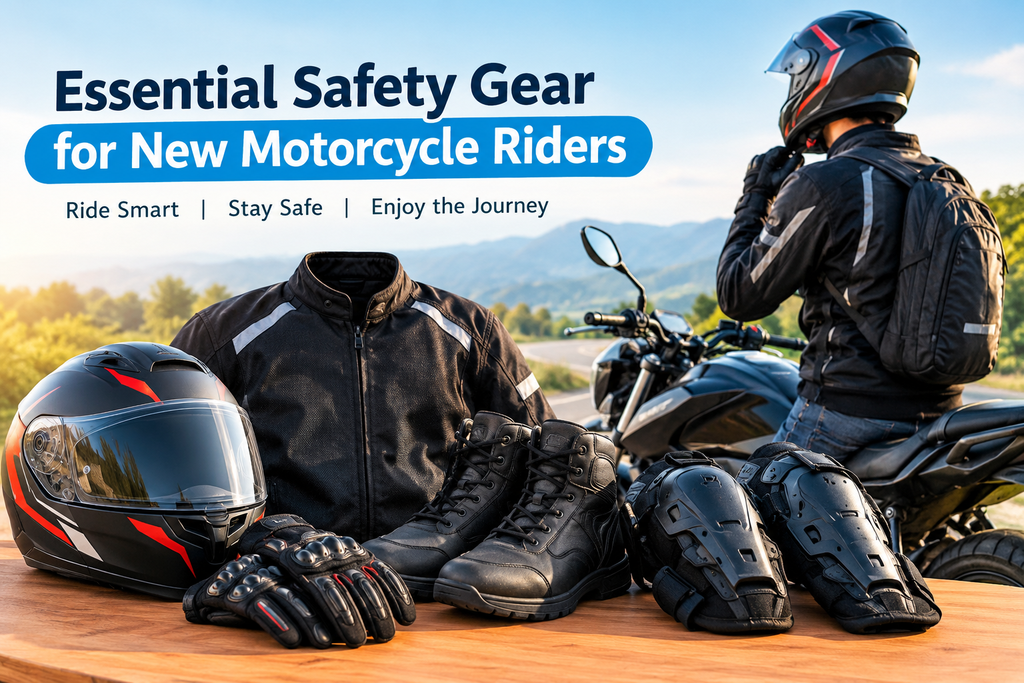
7. Consider Back and Chest Protection
The back and chest are important areas to protect, particularly for riders who regularly travel at higher speeds or spend extended periods on the road.
A motorcycle jacket may include a back protector pocket, but this does not always mean that a protective insert is supplied. Check the product description before buying and choose a compatible protector when needed.
Back protectors are available in different designs and protection levels. Some are integrated into jackets, while others are worn separately. Chest protectors are also available for compatible riding equipment.
When selecting additional body armor, look for recognized safety testing, proper fit, and compatibility with your jacket.
Although back and chest protection may not be the first purchase for every beginner, it can be a valuable addition to a suitable protective setup.
8. Improve Visibility With Reflective Gear
Being visible to other road users is an important part of motorcycle safety. Motorcycles are smaller than cars and can be harder to notice, particularly at night, during rain, or in poorly lit areas.
Reflective strips, high visibility jackets, and clothing with reflective panels can help other drivers recognize your presence when illuminated by headlights.
I recommend choosing riding gear with reflective details, especially if you travel early in the morning or after sunset. You can also consider a high visibility vest that fits securely over your jacket.
Keep your motorcycle lights clean and working properly. Use the appropriate headlight settings, and make sure your indicators and brake light are functioning.
Visibility equipment does not guarantee that every driver will see you, so continue to maintain a safe following distance and position yourself carefully on the road.
9. Select Eye Protection for Clear Vision
Clear vision is essential for safe motorcycle riding. Dust, insects, wind, and small road particles can distract a rider or interfere with their ability to see clearly.
A helmet with a suitable visor is a practical option for protecting your eyes and face. Riders using helmets without an effective visor should choose appropriate motorcycle riding goggles or protective eyewear.
For daytime riding, a tinted visor may help reduce glare, but it should be suitable for the lighting conditions. A clear visor is generally a better choice at night because dark eye protection can significantly reduce visibility.
Keep your visor clean and check it for scratches. If rain or fog affects visibility, reduce your speed and stop somewhere safe if you cannot see the road clearly.
In my opinion, eye protection is a small but important part of motorcycle safety that beginners should never overlook.
10. Choose Weather Appropriate Riding Gear
Weather can change quickly, especially during long motorcycle journeys. Hot temperatures, rain, and cold winds can affect concentration and comfort.
In hot weather, ventilated protective clothing can improve airflow. However, avoid replacing protective clothing with shorts or ordinary thin shirts simply because the temperature is high.
For rainy conditions, consider waterproof motorcycle clothing or a suitable rain suit that fits securely over your protective equipment. Check that it does not flap excessively in the wind or interfere with your controls.
In colder weather, thermal layers can help maintain body warmth. Gloves and boots designed for cold conditions can also make riding more comfortable.
I believe choosing gear for the weather is important because discomfort can become a distraction. The goal is to remain comfortable while maintaining appropriate protection.
11. Buy Motorcycle Safety Gear Within Your Budget
New riders do not always have enough money to buy premium equipment at once. Fortunately, it is possible to build a useful protective setup gradually.
I recommend prioritizing purchases in this order:
- A properly fitted, certified motorcycle helmet.
- Motorcycle specific gloves.
- Protective riding jacket with suitable armor.
- Protective trousers.
- Sturdy motorcycle riding boots.
- Additional back, chest, knee, and elbow protection as needed.
- Reflective accessories and weather appropriate clothing.
The exact order of later purchases can depend on the gear you already own, your riding environment, and your budget. However, do not treat essential protection as an unnecessary expense.
Before purchasing equipment, compare materials, safety certifications, warranty information, and sizing. Avoid counterfeit products and be cautious of deals that seem too good to be true.
A more expensive product is not automatically safer. What matters most is verified protection, suitable fit, durability, and comfort.
12. Maintain Your Motorcycle Safety Gear
Buying good equipment is only the first step. You must also keep it clean, inspect it regularly, and replace damaged items when necessary.
Check your helmet for cracks, damaged straps, loose components, or other signs of impact. Replace it after a significant impact according to the manufacturer’s instructions, even if visible damage is limited.
Wash riding clothing according to its care instructions. Inspect seams, zippers, armor pockets, and protective inserts for damage. Make sure gloves retain their grip and boots remain securely fastened.
After a crash, inspect all protective equipment carefully and follow the manufacturer’s replacement guidance. Impact protectors and helmets may need replacement even when external damage is not obvious.
Store your equipment in a clean, dry place away from excessive heat and direct sunlight. Proper maintenance can help preserve its condition and functionality.
Common Mistakes New Motorcycle Riders Should Avoid
Beginners can improve their safety by avoiding several common mistakes.
First, never ride without a helmet that fits correctly and meets an appropriate safety standard. Second, do not assume ordinary clothing provides the same protection as motorcycle specific equipment. Third, avoid wearing loose accessories, unsecured clothing, or footwear that can interfere with the controls.
Another common mistake is buying gear based only on appearance. Attractive colors and modern designs are useful, but protection should come first.
Finally, do not assume that wearing protective equipment makes risky riding acceptable. Safety gear can reduce certain injuries, but it cannot eliminate every risk. Responsible riding, proper training, road awareness, and obeying traffic laws remain essential.
Conclusion
Choosing essential safety gear for new motorcycle riders is one of the most important steps toward developing safe riding habits. A certified helmet, protective gloves, riding jacket, motorcycle trousers, and suitable boots form the foundation of a practical protective setup.
Additional equipment, such as back protectors, knee guards, reflective clothing, and weather appropriate accessories, can improve protection and comfort when selected carefully.
In my opinion, beginners should focus on quality, proper fit, and genuine safety certification rather than appearance alone. It is also important to inspect equipment regularly and replace items that have been damaged or compromised.
Motorcycle riding can be enjoyable and convenient when approached responsibly. By investing in suitable protective gear, improving riding skills, and remaining alert on the road, new riders can make more informed decisions and develop safer habits for every journey.
Frequently Asked Questions
1. What safety gear does a new motorcycle rider need?
A new motorcycle rider should start with a properly fitted certified helmet, motorcycle gloves, a protective jacket, riding trousers, and sturdy motorcycle boots. Additional armor and reflective clothing can provide further benefits.
2. Is a full face helmet better for beginners?
A full face helmet generally offers more complete coverage of the head and face than an open face or half helmet. It should fit properly and meet a recognized safety standard.
3. Can I wear regular jeans while riding a motorcycle?
Regular jeans provide limited abrasion protection compared with motorcycle specific trousers. Protective riding pants with suitable materials and armor are a better option.
4. Are expensive motorcycle safety products always better?
No. Price alone does not determine safety. Check certification, protective features, material quality, fit, and product authenticity before making a purchase.
5. Why is motorcycle safety gear important?
Motorcycle safety gear can help reduce the severity of certain injuries, protect against abrasion, and improve comfort and visibility. However, it cannot prevent every injury, so safe riding practices remain essential.