Choosing your first motorcycle is an exciting experience, especially when you want a reliable bike without spending too much money. For beginners, finding the best budget bikes is not only about choosing the lowest price. It is also about finding a motorcycle that is comfortable, easy to control, fuel efficient, and affordable to maintain.
In my opinion, beginners should focus on practical features instead of buying a bike simply because it looks stylish or has a powerful engine. A suitable first motorcycle can help you develop riding skills, travel comfortably, and manage your daily expenses without putting unnecessary pressure on your budget.
In this guide, I will explain what to look for when choosing an affordable motorcycle, which types of bikes are suitable for new riders, and how to make a smart buying decision.
Why Should Beginners Choose a Budget Bike?
When you are learning to ride, an affordable motorcycle can be a sensible choice. You do not need to spend a large amount of money to enjoy comfortable daily transportation. Many entry level motorcycles offer good fuel economy, simple controls, and dependable performance.
One important advantage of budget bikes for beginners is that they generally have lower purchase prices than larger premium motorcycles. This allows new riders to save money for essential riding equipment, registration, insurance where applicable, and routine maintenance.
Another benefit is that many commuter motorcycles are relatively lightweight and easy to handle. These features can make it easier to practice starting, stopping, turning, and parking.
However, I believe the best beginner motorcycle should offer a balance between affordability, reliability, comfort, and safety. A very cheap motorcycle may not be a good deal if it requires frequent repairs or has worn out safety components.
What to Look for in the Best Budget Bikes for Beginners
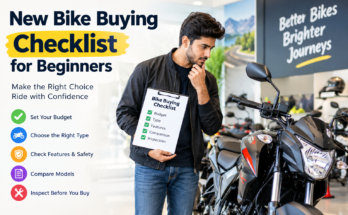
Before purchasing your first motorcycle, consider the following features carefully.
1. Affordable Purchase Price
Your budget should be the first thing you consider. Decide how much you can comfortably spend without using money needed for other important expenses.
Remember that the advertised motorcycle price is not your only cost. You may also need to pay for registration, taxes, protective equipment, fuel, servicing, and insurance depending on your location.
I recommend keeping some money aside for unexpected repairs, especially when buying a used motorcycle.
2. Good Fuel Efficiency
Fuel economy is an important factor for people who ride every day. A fuel efficient motorcycle can help reduce transportation costs, particularly if you travel to work, college, or the market regularly.
Smaller commuter motorcycles often offer better fuel economy than larger, more powerful models. However, actual mileage depends on engine condition, riding habits, traffic, maintenance, and road conditions.
Before buying a bike, compare realistic fuel consumption figures rather than relying entirely on advertising claims.
3. Lightweight Design
A lightweight motorcycle is often easier for beginners to manage. It can be more comfortable to maneuver through traffic, park in tight spaces, and control at low speeds.
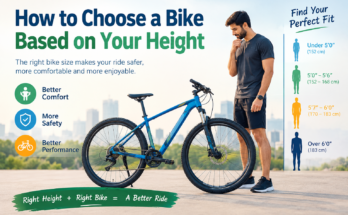
Seat height also matters. You should be able to reach the ground confidently when stopping. If possible, sit on the motorcycle before buying it and check whether the handlebars, foot controls, and seat feel comfortable.
4. Easy Maintenance
The best budget motorcycle should not require expensive maintenance every month. Look for a model with accessible spare parts, reasonable service costs, and mechanics who understand its engine and electrical systems.
Simple commuter motorcycles can be practical choices because routine maintenance is generally straightforward. Nevertheless, maintenance costs vary by brand, model, and local parts availability.
5. Reliable Brakes and Tires
Safety should never be ignored when choosing an affordable bike. Check the condition of the tires, brakes, lights, mirrors, suspension, and controls.
If you are buying a new motorcycle, compare its braking equipment and available safety features. If you are buying a used one, inspect it carefully and arrange a professional inspection when possible.
A beginner should also purchase a properly fitting helmet and other suitable protective riding gear.
Types of Budget Bikes Suitable for Beginners
There is no single motorcycle that is best for everyone. The right choice depends on your experience, height, daily travel needs, and local riding conditions.
1. Small Commuter Motorcycles

Small commuter motorcycles are among the most practical options for new riders. They are generally designed for everyday transportation rather than high performance.
These bikes are useful for short city trips, commuting to work, visiting local shops, and traveling through busy streets. Their relatively simple designs can also make routine maintenance more manageable.
When comparing commuter motorcycles, look at fuel economy, seat comfort, braking performance, spare parts availability, and the total purchase cost.
For someone buying a first motorcycle mainly for daily use, this category is often a sensible starting point.
2. 125cc Motorcycles

A 125cc motorcycle can offer a useful balance between everyday practicality and performance. Depending on the model, it may provide more power for hills, carrying a passenger, or traveling on faster roads than a smaller commuter bike.
However, engine size alone does not determine whether a motorcycle is suitable for beginners. Weight, throttle response, seat height, and braking performance are equally important.
I recommend choosing a 125cc motorcycle if you need slightly more performance but still want reasonable running costs. Test sitting on the bike and, where legally permitted, practice under suitable supervision before making a final decision.
3. Lightweight Standard Motorcycles

Standard motorcycles usually have an upright riding position that many beginners find comfortable. They can be suitable for daily commuting and occasional longer journeys.
Their relatively neutral riding posture may reduce discomfort in the wrists and back compared with some aggressive sport motorcycle designs.
Before choosing one, consider the seat height, overall weight, engine power, and availability of replacement parts. A lightweight standard bike with predictable power delivery is generally more suitable for a new rider than a heavy, high powered motorcycle.
4. Affordable Used Motorcycles

A used motorcycle can be an excellent option if your budget is limited. You may be able to purchase a dependable model for less than the price of a new one.
However, buying used requires careful inspection. Check for oil leaks, unusual engine noises, worn tires, damaged bodywork, faulty lights, and signs of previous accidents.
Ask for maintenance records and verify the registration documents and ownership history. If you do not have mechanical experience, take a trusted mechanic with you.
In my view, a well maintained used motorcycle is often a better investment than a cheaper bike that needs major repairs immediately after purchase.
Popular Budget Motorcycle Models to Consider
Depending on your country and local availability, these models may be worth comparing.
| Motorcycle model | Why beginners may consider it |
|---|---|
| Honda CD 70 | Small engine and practical everyday transportation |
| Honda CG 125 | Familiar commuter style and widely recognized model in Pakistan |
| Yamaha YBR 125 | Standard motorcycle design and upright riding position |
| Suzuki GD 110S | Smaller commuter format for daily travel |
| Honda CB125F | Everyday riding design and practical engine size |
These models are examples rather than a universal ranking. Their prices, availability, specifications, and service support vary by market and model year. Check current local prices and official specifications before purchasing.
If you live in Pakistan, you should compare the latest prices from authorized dealers and consider the availability of genuine spare parts in your city. Do not assume that the cheapest model will automatically have the lowest long term ownership cost.
New Bike or Used Bike: Which Is Better for Beginners?
Both options have advantages, so the right choice depends on your budget and priorities.
A new motorcycle usually provides the benefit of a fresh start, with no previous owner history and a manufacturer’s warranty when applicable. You can also choose the model, color, and features you prefer.
The main disadvantage is the higher initial purchase price. You may also face depreciation as the motorcycle ages.
A used motorcycle is usually more affordable at the time of purchase. It can be a good option for someone who wants to learn basic riding skills without spending too much.
The main concern is the condition of the bike. Previous accidents, poor maintenance, or hidden mechanical problems can create additional expenses.
My suggestion is to compare the complete ownership cost rather than looking at the purchase price alone. A new bike may be better if you want predictable ownership, while a properly inspected used bike may be more suitable if your budget is limited.

Common Mistakes to Avoid When Buying Your First Bike
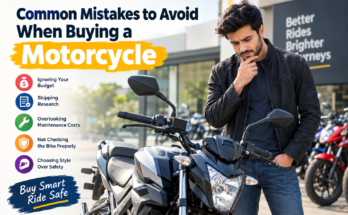
Many beginners make purchasing decisions based on appearance, popularity, or advice from friends. Although these factors can be useful, they should not replace careful research.
Here are some mistakes worth avoiding.
Choosing a motorcycle that is too powerful: A powerful engine may seem exciting, but it can make learning more difficult. Select a motorcycle with manageable power and predictable handling.
Ignoring maintenance costs: Ask about service intervals, replacement parts, tire prices, and common repairs before making a purchase.
Skipping the test ride or fit check: If a legal and safe test ride is available, assess the steering, clutch, brakes, and overall comfort. Otherwise, at least sit on the motorcycle and inspect its controls.
Buying without checking documents: For a used motorcycle, verify ownership, registration, and any required transfer paperwork before paying.
Spending the entire budget on the bike: Keep enough money for a quality helmet, protective clothing, basic servicing, and other necessary expenses.
Ignoring safety equipment: A budget motorcycle does not mean you should compromise on protective gear. Always use an appropriate helmet and follow local traffic laws.
Avoiding these mistakes can help you make a more confident and practical decision.
How to Save Money After Buying a Budget Motorcycle
Buying an affordable bike is only the beginning. Your riding habits and maintenance routine also influence how much you spend over time.
First, follow the maintenance schedule provided by the manufacturer. Regularly check tire pressure, engine oil, brakes, lights, and the chain where applicable.
Second, ride smoothly. Sudden acceleration and harsh braking can increase fuel consumption and put additional stress on motorcycle components.
Third, use suitable replacement parts and the correct engine oil recommended for your motorcycle. Cheap parts that do not meet the required specifications can lead to premature wear or mechanical problems.
Finally, plan your trips when practical. Combining errands and avoiding unnecessary journeys can reduce fuel expenses.
I believe simple maintenance habits are among the best ways to keep a budget motorcycle dependable for years.
Are Budget Bikes Good for Long Distance Travel?
Budget motorcycles can handle some longer journeys, but not every model is designed for the same conditions.
Before planning a long trip, consider engine performance, seat comfort, fuel range, luggage requirements, road quality, and the manufacturer’s recommendations. A small commuter bike may be suitable for moderate journeys at appropriate speeds, but it may feel less comfortable on highways or steep roads.
Check the tires, brakes, chain, engine oil, and lights before departure. Carry essential documents and a basic repair kit where appropriate.
New riders should build their experience gradually rather than immediately attempting long, demanding journeys. Start with short rides in familiar areas and increase the distance as your skills and confidence improve.
Final Thoughts on the Best Budget Bikes for Beginners
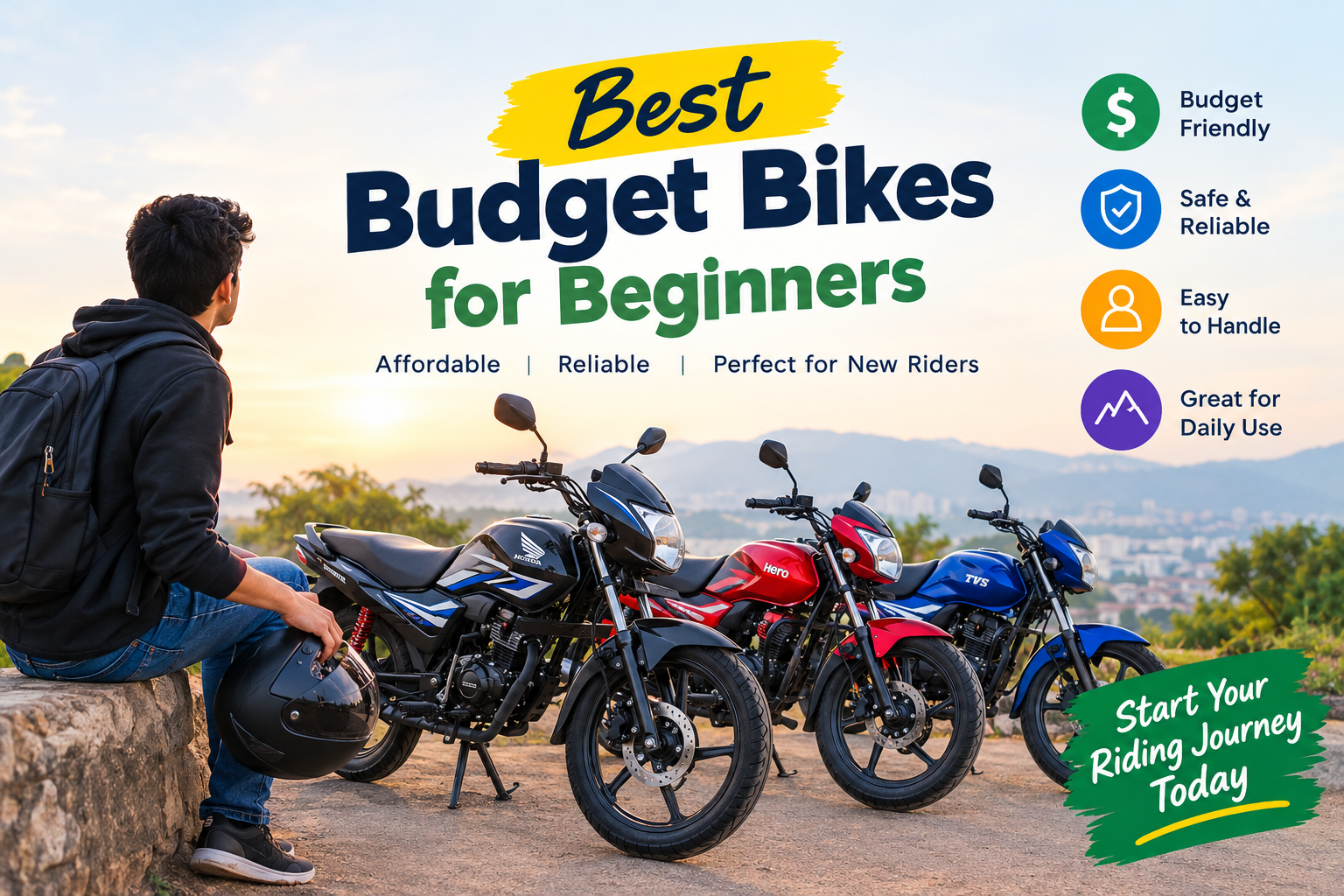
Finding the best budget bikes for beginners becomes easier when you focus on your actual transportation needs instead of choosing a motorcycle based only on its appearance or engine size.
For everyday commuting, a small commuter motorcycle may be the most economical choice. A 125cc model can be worth considering if you need additional performance, while a well maintained used motorcycle may help you stay within a limited budget.
In my opinion, the best first motorcycle is one that fits your body, matches your riding experience, has dependable brakes and tires, and remains affordable to maintain. Always compare available models, inspect the motorcycle carefully, and include safety equipment in your budget.
Most importantly, learn to ride responsibly, wear a proper helmet, follow traffic laws, and practice regularly. With the right motorcycle and a sensible approach, you can enjoy the benefits of affordable transportation while developing safe riding habits.