Introduction
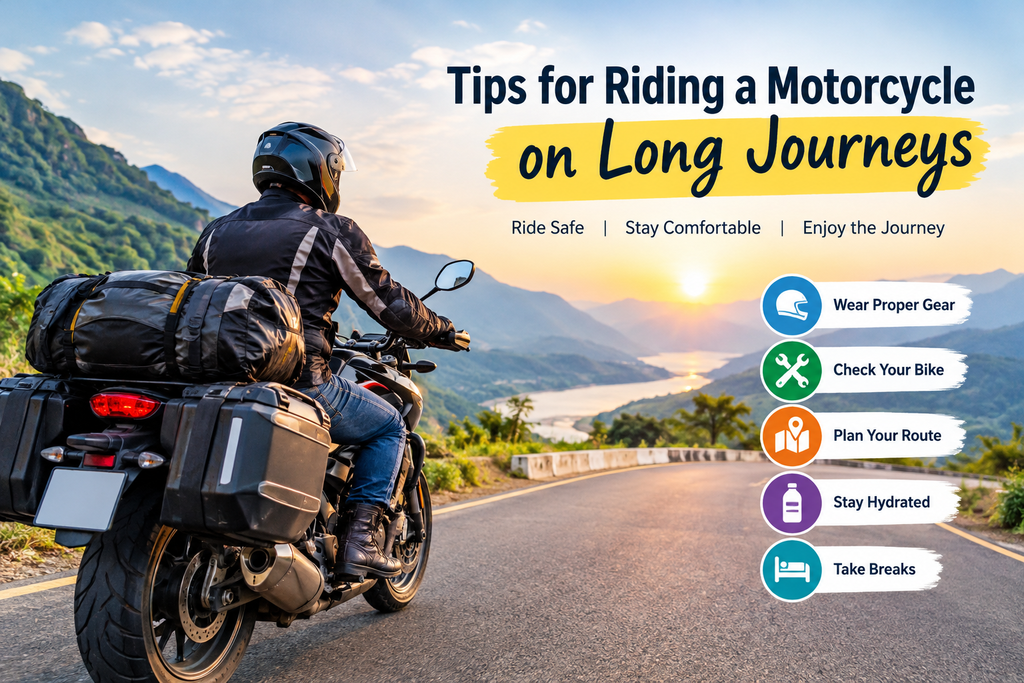
Riding a motorcycle on long journeys is one of the most enjoyable ways to explore new places, experience beautiful landscapes, and enjoy the freedom of the open road. Whether I am planning a weekend trip, visiting another city, or going on a motorcycle adventure through the mountains, proper preparation always makes the journey safer and more comfortable.
However, a long motorcycle ride requires more than simply filling the fuel tank and starting the engine. Riders need to think about road conditions, weather, motorcycle maintenance, riding gear, physical comfort, and rest stops. Ignoring these important details can turn an exciting trip into a tiring or stressful experience.
In my opinion, the best way to enjoy a long motorcycle journey is to plan carefully, ride responsibly, and listen to your body. These simple habits can help beginners and experienced riders make their trips more enjoyable.
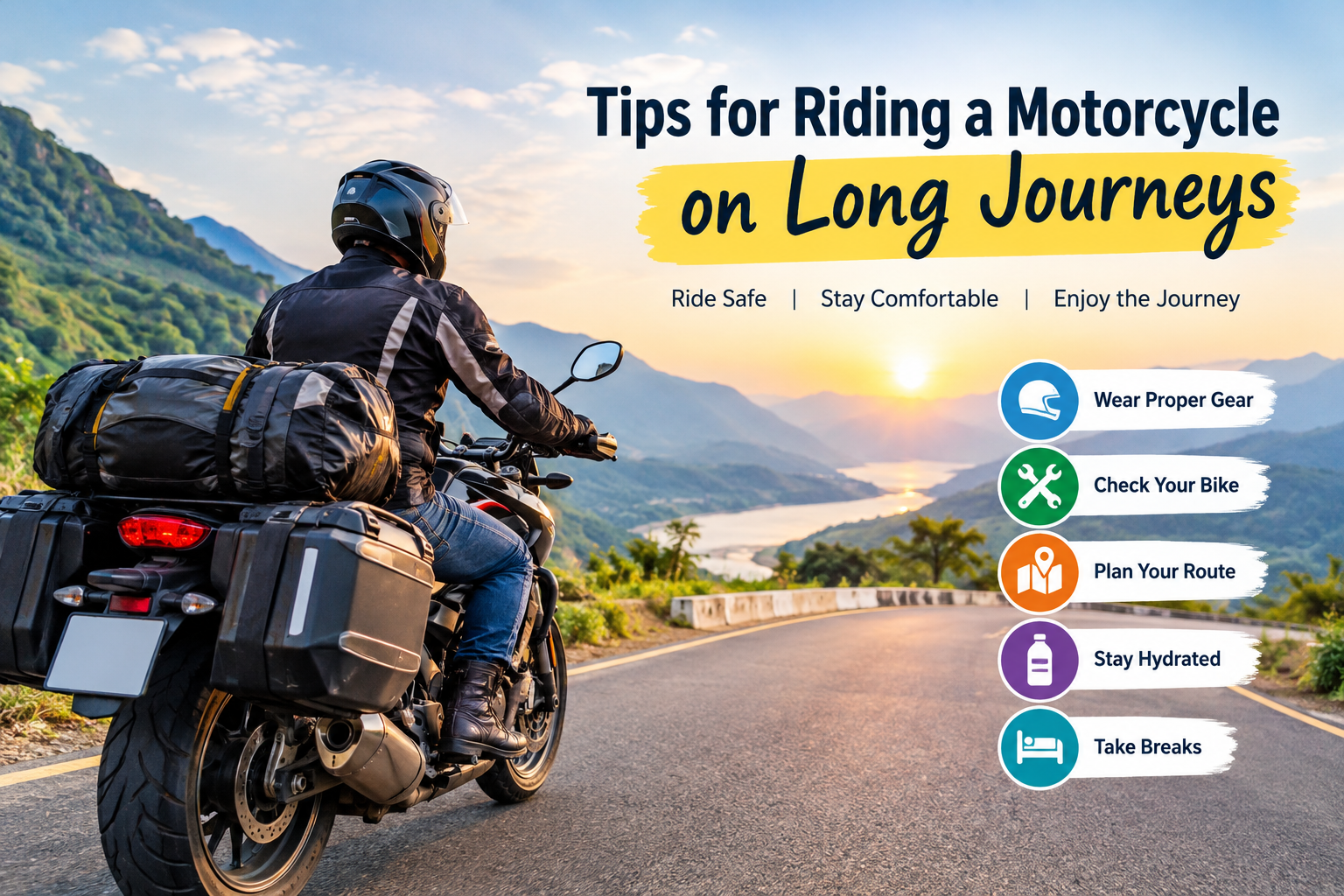
In this guide, I will share some of the most useful tips for riding a motorcycle on long journeys, including how to prepare your bike, choose the right equipment, manage fatigue, and stay safe on unfamiliar roads.
1. Check Your Motorcycle Before Starting the Journey
Before leaving for a long motorcycle trip, I always recommend checking the motorcycle carefully. A bike that works well for short rides may still develop problems during several hours of continuous riding.
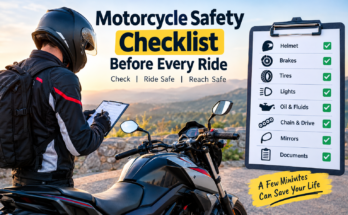
Start by checking the engine oil and coolant level if your motorcycle uses liquid cooling. Inspect the tires for cuts, cracks, unusual wear, and correct air pressure according to the manufacturer’s recommendations. Proper tire pressure helps maintain stability, handling, and braking performance.
Check both brakes to make sure they respond correctly. Inspect the chain for suitable tension and lubrication if your motorcycle has a chain drive. Also examine the headlights, brake lights, indicators, mirrors, horn, and other essential controls.
Look for signs of fuel or oil leaks before starting the engine. If you notice an unusual noise or mechanical problem, have it inspected before travelling.
A basic motorcycle inspection can help prevent unexpected breakdowns and give you greater confidence throughout your journey.
2. Wear Proper Motorcycle Riding Gear
Choosing the right motorcycle riding gear is one of the most important steps for a long trip. Comfortable and protective clothing helps reduce fatigue and provides protection if an accident occurs.
I recommend wearing a properly fitted, certified motorcycle helmet that meets the safety standards applicable in your country. A full face helmet can provide additional protection from wind, dust, insects, and flying road debris.
A motorcycle jacket with suitable protective armour can help protect your shoulders, elbows, and back. Wear motorcycle gloves that offer a secure grip and protect your hands. Durable riding trousers and over the ankle motorcycle boots are also useful for protecting your legs and feet.
Weather appropriate clothing makes a significant difference during long rides. In hot conditions, use suitable ventilated riding gear while maintaining adequate protection. In cold or rainy weather, waterproof layers and warm clothing can improve comfort.
Reflective details are particularly helpful when visibility becomes poor. I believe that wearing proper riding gear should never be treated as an optional expense because personal safety is more important than appearance.
3. Plan Your Motorcycle Route in Advance
Route planning helps make a long motorcycle journey easier and less stressful. Before leaving home, decide which roads you intend to use and identify suitable places to stop for fuel, food, water, and rest.
Check the expected travel time, road quality, weather conditions, and any known construction areas. Highways may allow faster travel, while smaller roads may offer better scenery but require more attention and time.
If you are travelling through unfamiliar areas, download offline maps in case your mobile internet connection becomes unavailable. Keep your phone charged and consider carrying a power bank.
I also recommend sharing your planned route and estimated arrival time with a trusted family member or friend. This simple precaution can be helpful if your plans change unexpectedly.
Always remain flexible. If traffic, bad weather, or road conditions make your original route unsafe, choose a safer alternative rather than rushing to stay on schedule.
4. Avoid Riding Too Many Hours Without a Break
One of the biggest mistakes motorcyclists make on long journeys is trying to cover too much distance without resting. Even experienced riders can become tired after spending several hours concentrating on traffic and road conditions.
Fatigue affects concentration, reaction time, and decision making. It may also cause muscle stiffness, back discomfort, and reduced awareness of surrounding vehicles.
I recommend planning regular breaks before you feel exhausted. Stop somewhere safe, get off the motorcycle, stretch your legs, and drink some water. Take longer breaks when necessary, especially during very hot weather or demanding road conditions.
There is no single riding schedule that suits everyone. The right frequency of breaks depends on your experience, health, traffic, weather, and the demands of the route.
If you feel sleepy, dizzy, unusually tired, or unable to concentrate, stop riding. Find a safe place to rest and do not continue until you are fit to ride. Caffeine or loud music is not a reliable substitute for proper rest.
5. Stay Hydrated and Eat Sensibly
Staying hydrated is essential when riding a motorcycle for long periods. Warm weather, protective clothing, and physical exertion can increase fluid loss, particularly during summer trips.
Carry drinking water and take regular opportunities to drink. Do not wait until you feel extremely thirsty before paying attention to hydration.
I prefer light, balanced meals before and during a long journey. Foods such as fruit, sandwiches, nuts, and other convenient snacks can help provide energy without making you feel excessively full.
Very heavy meals may leave some riders feeling uncomfortable or sleepy. It is also wise to avoid alcohol completely before and during riding because it impairs judgment, coordination, and reaction time.
Remember that staying hydrated and eating properly support alertness, but they cannot compensate for insufficient sleep or excessive riding hours.
6. Pack Light but Carry Essential Items
Packing for a motorcycle trip requires careful planning because storage space is limited. Carrying too much luggage can make the motorcycle harder to manage and may affect its balance.
I recommend packing only the items you genuinely need. Essential clothing, personal identification, money, a phone charger, drinking water, and basic toiletries are useful starting points.
A small first aid kit, flashlight, tire repair equipment suitable for your motorcycle, and basic tools can also be helpful. Carry a suitable puncture repair kit and understand its limitations before relying on it.
Keep important documents protected from rain. Secure all luggage firmly and follow your motorcycle manufacturer’s load limits. Make sure bags cannot touch the exhaust, interfere with steering, cover lights, or become loose while riding.
Place heavier items low and as centrally as practical. Before starting, check that the motorcycle remains stable and that you can move freely while seated.
7. Check the Weather Before Leaving
Weather conditions can change quickly during a long motorcycle journey. Clear skies at the beginning of a trip do not guarantee comfortable conditions throughout the day.
Before leaving, check the forecast for your entire route rather than looking only at the weather in your starting location. Pay attention to rain, strong winds, extreme heat, cold temperatures, and possible storms.
Rain reduces tire grip and visibility, while strong crosswinds can make motorcycle control more difficult. Wet road markings, metal surfaces, mud, and standing water may be especially slippery.
If heavy rain, flooding, lightning, or dangerous winds make riding unsafe, delay the journey or stop in a safe location.
Carry appropriate rain gear, but remember that waterproof clothing cannot eliminate the risks associated with poor visibility and slippery roads. Reduce speed when conditions deteriorate and increase your following distance.
8. Maintain a Safe Riding Speed
Riding at a safe speed is essential for motorcycle touring. Long journeys often include unfamiliar roads, changing speed limits, sharp bends, busy intersections, and unexpected obstacles.
I believe it is better to arrive late than to take unnecessary risks. Follow posted speed limits and adjust your speed according to visibility, traffic, road surface, and weather.
Maintain a safe following distance so you have enough time to respond if the vehicle ahead suddenly brakes. Avoid weaving between vehicles, aggressive overtaking, and sudden changes in direction.
On winding roads, slow down before entering a bend and choose a speed that allows you to remain in control. Do not assume that every corner has a clear surface or predictable shape.
Keep scanning the road ahead and check your mirrors regularly. Stay aware of vehicles entering from side roads, pedestrians, animals, and road hazards.
Smooth acceleration, progressive braking, and predictable movements make long distance motorcycle riding safer for you and everyone around you.
9. Choose Comfortable Riding Posture
Comfort becomes increasingly important when you spend several hours on a motorcycle. Poor posture can cause pain in the neck, shoulders, wrists, hips, and lower back.
Sit in a natural position that allows you to reach the handlebars, foot controls, and brakes without excessive stretching. Keep your shoulders relaxed and avoid putting unnecessary weight on your wrists.
Your feet should remain positioned securely on the footrests, and your knees should feel comfortable rather than excessively strained.
If your motorcycle seat becomes uncomfortable, consider a suitable seat cushion or a touring seat designed for your bike. Make sure any accessory does not interfere with safe control.
During rest stops, stretch gently and change your position before continuing. A comfortable riding posture can help reduce fatigue, but it should never prevent you from maintaining proper control of the motorcycle.
10. Prepare for Night Riding Carefully
Whenever possible, plan to complete the most demanding part of your motorcycle journey during daylight. Night riding can be more difficult because visibility is reduced and hazards may appear with less warning.
Before travelling after dark, inspect the headlight, rear light, brake light, and indicators. Clean your helmet visor and make sure your reflective gear is visible.
Reduce speed when visibility is limited and avoid looking directly at the headlights of oncoming vehicles. Watch for pedestrians, animals, potholes, and vehicles without adequate lighting.
If you are already tired, avoid continuing simply because you want to reach your destination that night. Find a safe place to stop and arrange suitable rest.
Good planning can reduce the need for night riding and make the entire trip more comfortable.
11. Carry Basic Emergency Supplies
Even a well maintained motorcycle can experience a puncture, mechanical fault, or other unexpected problem during a long journey. Carrying a few useful supplies can help you respond more effectively.
Depending on your motorcycle and destination, consider taking basic tools, a tire pressure gauge, a compatible puncture repair kit, a flashlight, a first aid kit, and emergency contact details.
Keep your phone charged and know how to contact local roadside assistance. If travelling through remote areas, identify places where fuel, food, and assistance are available.
If the motorcycle develops a serious mechanical problem, move to a safe location away from moving traffic if possible. Use warning signals where appropriate and seek qualified assistance.
Do not attempt roadside repairs that you do not understand, especially near traffic or in unsafe weather.
12. Get Enough Sleep Before the Trip
Preparing for a long motorcycle journey starts before the engine is switched on. A good night’s sleep helps support attention, coordination, and decision making.
Avoid beginning a long ride after working late, staying awake all night, or completing another tiring activity. If possible, start after a proper meal and adequate rest.
I also recommend planning a realistic daily distance. The ideal distance depends on road quality, your experience, traffic, weather, and the amount of daylight available.
Instead of focusing only on reaching a destination quickly, allow enough time for fuel stops, meals, breaks, and unexpected delays.
If you are travelling across several days, choose accommodation in advance when practical. Proper overnight rest can make the next day’s ride much safer and more enjoyable.
Conclusion
Riding a motorcycle on long journeys can be a rewarding experience when safety and preparation come first. From checking your motorcycle and wearing protective gear to planning your route and taking regular breaks, every small decision can contribute to a better trip.
In my opinion, the most important motorcycle touring tips are to ride within your abilities, stay hydrated, manage fatigue, maintain a comfortable posture, and prepare for changing weather. Carry essential supplies and never allow a tight schedule to pressure you into unsafe riding.
A successful motorcycle journey is not simply about reaching the destination. It is about enjoying the road while protecting yourself and the people around you.
With careful planning, responsible riding habits, and the right equipment, you can make your next long distance motorcycle trip safer, more comfortable, and more memorable.