Introduction
Buying a new bike is an exciting experience, especially for beginners who are purchasing their first motorcycle. A new bike can make daily travel easier, save time, and provide more freedom to travel wherever you need to go. However, choosing the right bike is not always easy because there are many models, engine sizes, features, and price ranges available.
In my opinion, buying a bike should never be based only on its appearance or popularity. A motorcycle that looks attractive in a showroom may not be the best option for your daily needs. You should also consider your budget, riding experience, comfort, fuel economy, maintenance costs, and safety features.
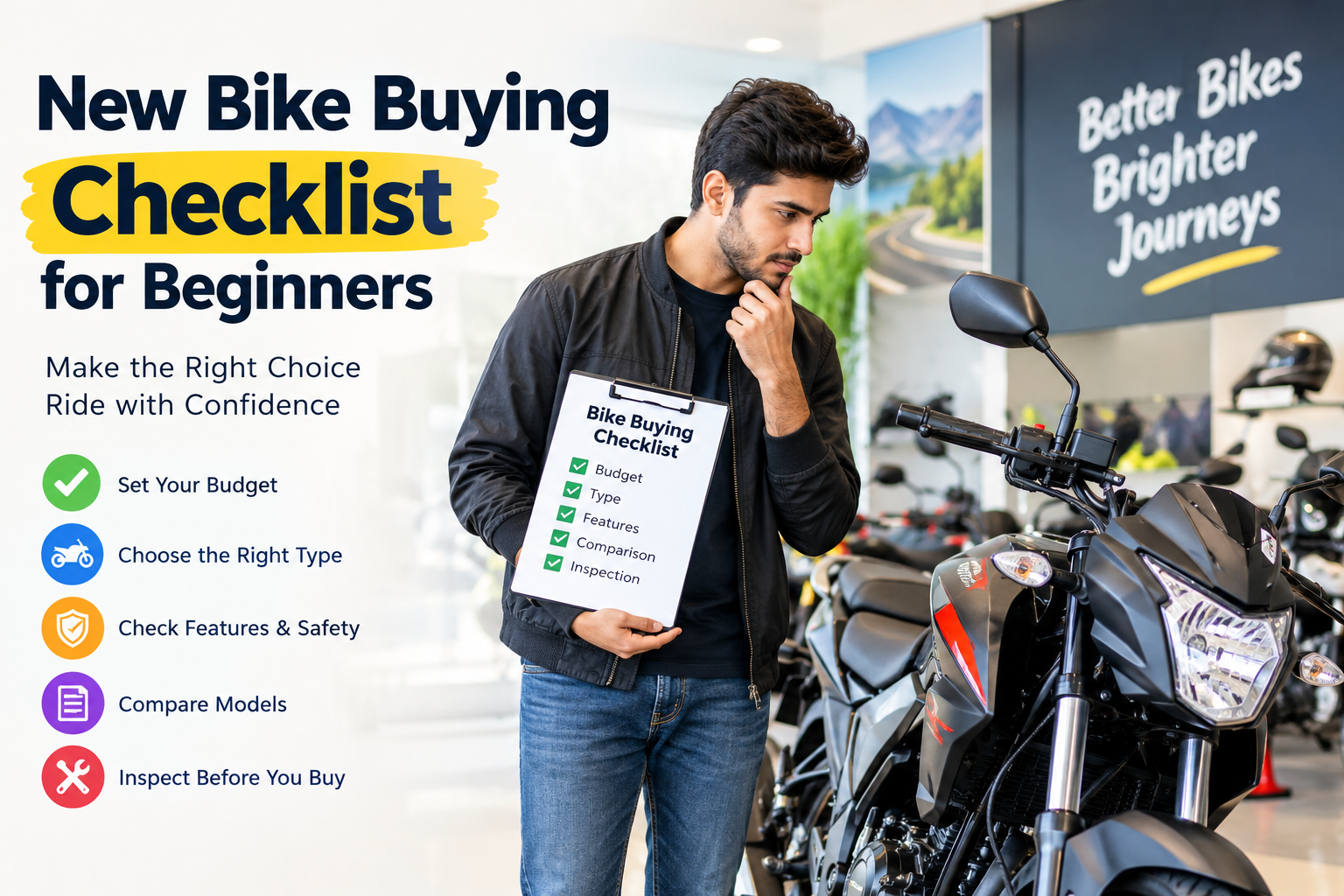
A proper new bike buying checklist for beginners can help you compare different options and avoid common purchasing mistakes. In this guide, I will explain the important things to check before buying a new motorcycle so you can make a confident and informed decision.
1. Decide Your Budget Before Buying a Bike
The first step in any new bike buying checklist is setting a realistic budget. Before visiting a showroom, decide how much money you can comfortably spend on a motorcycle.
Many beginners focus only on the purchase price and forget about other expenses. However, owning a bike involves several additional costs that should be included in your budget.
Consider the following expenses:
- Motorcycle purchase price
- Registration and applicable taxes
- Helmet and protective riding equipment
- Fuel expenses
- Regular servicing and maintenance
- Insurance, where applicable
- Security locks and other useful accessories
For example, if you spend your entire budget on a motorcycle, you might struggle to afford a good helmet or the first scheduled service. I believe it is better to purchase a reasonably priced bike and keep some money available for essential expenses.
Compare the total ownership cost rather than looking at the showroom price alone. This approach can help you avoid financial pressure after buying your motorcycle.
2. Choose the Right Type of Motorcycle
Different motorcycles are designed for different riding needs. Before selecting a model, think about where and how you will use your bike.
A commuter motorcycle is usually a practical choice for people who travel to work, school, college, or nearby markets. These bikes often prioritize everyday comfort, manageable running costs, and convenience.
A sport motorcycle may appeal to riders who prefer a sporty design and responsive performance. However, some models have an aggressive riding position that may become uncomfortable during long journeys.
A touring motorcycle is designed with longer trips in mind. Depending on the model, it may provide a comfortable seat, luggage options, wind protection, and a riding position suited to extended travel.
A standard or naked motorcycle can offer a balanced combination of everyday usability and performance. Some beginners may also consider scooters because they are convenient for short urban journeys.
When choosing a motorcycle, do not purchase a model simply because your friends own it. Your height, experience, daily route, and personal preferences should guide your decision.
3. Select an Engine Size Suitable for Beginners
Engine size is another important factor when buying your first motorcycle. Beginners sometimes assume that a larger engine automatically means a better bike. In reality, the best engine size depends on your experience and intended use.
A smaller motorcycle may be easier to manage, particularly in busy traffic and during low speed maneuvers. It may also offer lower fuel consumption and more affordable routine maintenance, depending on the model.
A larger engine can provide stronger acceleration and better performance in certain riding conditions, but it may also increase the purchase price, fuel costs, and insurance expenses.
Before deciding, consider the following questions:
- Are you a complete beginner or an experienced rider?
- Will you mostly travel within the city?
- Do you regularly ride on highways?
- Can you comfortably control the motorcycle at low speeds?
- Is the motorcycle’s weight manageable for you?
I recommend choosing a bike that matches your current ability rather than buying more power than you need. You can always consider a more powerful motorcycle later when your skills and confidence improve.
4. Check the Bike’s Height, Weight, and Comfort
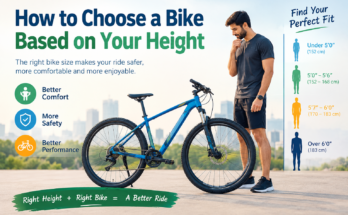
Comfort is one of the most overlooked parts of buying a new bike. A motorcycle may have excellent specifications, but it will not be a good choice if you cannot control it comfortably.
When visiting a showroom, sit on the motorcycle and check whether you can reach the handlebars naturally. Your arms should not feel excessively stretched, and your shoulders should remain relaxed.
Pay attention to seat height as well. Ideally, you should be able to place your feet securely enough to stabilize the motorcycle according to your experience and the bike’s design.
You should also check the overall weight. A heavy motorcycle may be difficult for a beginner to move in a parking area or handle at walking speed.
Check these comfort points before buying:
- Seat height and seating position
- Handlebar reach
- Footpeg position
- Seat cushioning
- Weight and balance
- Ease of mounting and dismounting
If possible, ask whether you can arrange a supervised test ride with the appropriate licence and protective equipment. A short ride can help you understand whether the motorcycle feels comfortable and predictable.
5. Compare Fuel Economy and Running Costs
Fuel economy is especially important if you plan to use your motorcycle every day. A bike that offers good mileage can reduce your regular transportation expenses.
However, do not rely entirely on advertised mileage figures. Actual fuel consumption can vary depending on traffic, road conditions, riding style, maintenance, load, and weather.
When comparing motorcycles, research their expected fuel economy and consider how many kilometers you travel each month.
For example, a person who travels a long distance daily may benefit considerably from a fuel efficient commuter motorcycle. Someone who rides occasionally may place greater importance on comfort or performance.
You should also compare maintenance schedules, replacement parts, tire costs, and the price of common service items. A motorcycle with an affordable purchase price may become expensive to own if replacement parts are difficult to find.
For beginners, I believe that predictable running costs are just as important as the initial purchase price.
6. Inspect the Important Safety Features
Safety should always be a priority when buying a new motorcycle. Beginners should pay attention to braking performance, tire quality, lighting, and other features that help them ride responsibly.
Check whether the motorcycle has a front disc brake, rear disc brake, or drum brake configuration. The braking system should be suitable for the bike’s performance and intended use.
Where available, anti lock braking systems can help prevent wheel lock during certain hard braking situations. Compare the specific safety equipment offered on each model and variant.
Also inspect the following features:
- Headlight brightness and visibility
- Brake light and turn signals
- Mirrors and rear visibility
- Tire condition and specifications
- Horn operation
- Brake lever and pedal feel
- Side stand and other safety related systems
Do not assume that every variant of a motorcycle has identical features. Some manufacturers offer different safety equipment depending on the version or market.
Remember that safety equipment cannot replace proper training, defensive riding, and responsible speed choices. Always wear a correctly fitted, certified motorcycle helmet and appropriate protective clothing.
7. Compare Different Bike Models
Before making a final decision, compare at least two or three motorcycles within your budget. This will help you understand which model offers the best combination of price, comfort, performance, and practical features.
Create a simple comparison list and record the information that matters most to you.
For example, compare the purchase price, expected mileage, engine size, weight, seat height, warranty, service intervals, spare parts availability, and safety equipment.
You should also research owner reviews and long term reliability reports. Reviews from actual owners can provide useful information about comfort, everyday performance, and common maintenance concerns.
However, do not depend on a single online review. Some people may have different expectations or riding conditions from yours.
I suggest giving more importance to consistent feedback, official specifications, and your own experience when comparing motorcycles.

8. Check the Dealer’s Reputation and Warranty
Buying from a reliable dealer can make the ownership experience easier. An authorized dealership may provide access to official warranty support, genuine spare parts, and scheduled servicing.
Before paying, ask the dealer about the manufacturer’s warranty. Find out how long it lasts, which components are covered, and what conditions apply.
You should also ask about the recommended service schedule and whether servicing must be completed at specific workshops to maintain warranty coverage.
Confirm the following details:
- Official warranty duration and conditions
- Free or discounted services, if offered
- Availability of spare parts
- Estimated routine servicing costs
- Delivery time and included accessories
- Return, cancellation, or booking deposit policies
Get important promises in writing instead of relying only on verbal statements. Read the terms carefully before making a payment.
9. Inspect the Motorcycle Before Delivery
Even when buying a brand new motorcycle, you should inspect it carefully before accepting delivery. A new vehicle should be supplied with the agreed specifications and documentation.
Check the bodywork for visible scratches, dents, loose components, or paint damage. Inspect the mirrors, lights, indicators, tires, and seat for any obvious issues.
Ask the dealer to demonstrate the controls and explain the basic operating instructions. If you are unfamiliar with motorcycles, request guidance about starting, braking, and using the lights.
Before accepting delivery, check these items:
- Confirm the model, variant, and color.
- Verify the chassis and engine identification numbers against the relevant documents.
- Review the invoice and payment receipt.
- Confirm the warranty documents and owner’s manual.
- Check registration requirements and applicable paperwork.
- Inspect the tires, lights, mirrors, and visible bodywork.
- Confirm that all promised accessories are included.
Do not sign an acceptance document confirming that everything is satisfactory if you have identified an unresolved issue. Ask the dealer to address any concerns before completing the handover.
10. Understand Registration and Legal Requirements
Legal requirements are an essential part of buying a motorcycle. Before riding on public roads, make sure the required registration, licence, number plate, and other documents are in order according to your local laws.
If you live in Pakistan, check the registration and transfer procedures applicable in your province. Confirm the relevant taxes, fees, documentation, and number plate requirements with the appropriate authorities or an authorized dealer.
Keep your purchase invoice and other ownership documents safe. You may need them for registration, warranty claims, insurance, or future resale.
You should also understand the motorcycle licence requirements that apply to your age and vehicle category.
Never assume that purchasing a motorcycle automatically gives you permission to ride it on public roads. Complete the required legal steps first.
11. Avoid Common Bike Buying Mistakes
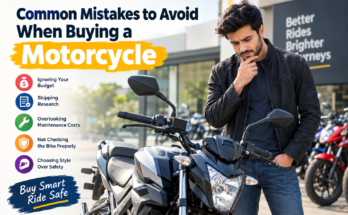
A checklist is useful because it reminds you to look beyond excitement and appearance. Beginners can make expensive mistakes when they rush into a purchase.
One common mistake is buying a motorcycle because of its design without checking whether it suits daily use. Another is ignoring maintenance costs and choosing a model that is expensive to operate.
Some buyers also purchase a motorcycle without sitting on it or checking its weight. Others rely entirely on a salesperson’s recommendations instead of comparing independent information.
To avoid these problems, take your time, ask questions, research different options, and inspect the motorcycle before paying.
Do not feel pressured to buy immediately because a dealer claims that an offer will disappear soon. Confirm the actual price, terms, and availability before making your decision.
The goal is not to buy the most expensive motorcycle or the most popular model. The goal is to choose a bike that fits your needs and budget.
Conclusion
Buying your first motorcycle becomes much easier when you follow a practical new bike buying checklist for beginners. Start by setting a realistic budget, choosing the right motorcycle type, and selecting an engine size that matches your experience.
Next, compare comfort, fuel economy, maintenance expenses, safety features, warranty coverage, and dealer reliability. Before accepting delivery, inspect the motorcycle, verify its documents, and make sure the necessary legal requirements are understood.
In my opinion, the best motorcycle is one that makes everyday travel convenient without creating unnecessary financial pressure. A bike should fit your lifestyle, feel manageable, and provide dependable service when maintained correctly.
Take your time, compare your options carefully, and avoid making a decision based only on appearance. With the right preparation, you can choose a motorcycle that serves you well for years and makes your riding experience more enjoyable.
Frequently Asked Questions
What should beginners check before buying a new bike?
Beginners should check the price, engine size, weight, seat height, comfort, fuel economy, safety features, maintenance costs, warranty, and registration requirements.
Which motorcycle is best for a beginner?
The best beginner motorcycle is one that is easy to control, comfortable, suitable for local roads, and affordable to maintain. The ideal model depends on your experience, budget, and transportation needs.
Is a test ride important before buying a motorcycle?
Yes. A supervised test ride, where legally permitted, can help you evaluate comfort, handling, braking feel, and overall control before making a purchase.
How can I avoid overpaying for a new motorcycle?
Compare prices from authorized dealers, review the complete cost of ownership, confirm included accessories, and ask for a written breakdown of taxes, fees, and additional charges.
Should I buy a motorcycle based on mileage alone?
No. Fuel economy is important, but you should also consider safety, comfort, reliability, maintenance costs, spare parts availability, and suitability for your daily travel.