Introduction
Fuel prices can make daily motorcycle travel expensive, especially for people who use their bikes to travel to work, attend classes, run errands, or manage their small businesses. In my opinion, one of the simplest ways to control these expenses is to maintain a bike properly. Many riders focus only on the price of petrol and forget that the condition of their motorcycle also affects fuel consumption.
Learning how to maintain a bike for better fuel efficiency does not always require expensive tools or professional mechanical knowledge. Simple habits such as checking tyre pressure, changing engine oil on time, cleaning the air filter, and maintaining the chain can help a motorcycle run more efficiently.
In this guide, I will explain practical motorcycle maintenance tips that can help improve fuel average, reduce unnecessary repair costs, and keep a bike in good condition. These methods are useful for beginners as well as experienced riders who want to get better mileage from their motorcycles.
1. Check Tyre Pressure Regularly
Tyre pressure is one of the first things I recommend checking when trying to improve motorcycle fuel efficiency. Tyres that do not have the correct pressure can increase rolling resistance, which means the engine may need to work harder to move the bike.
When tyre pressure is too low, the tyres create more resistance against the road. This can increase fuel consumption and make steering less responsive. Incorrect pressure can also cause uneven tyre wear and reduce riding comfort.
I believe checking tyre pressure should become a regular habit rather than something riders do only when a tyre looks flat. Use a reliable pressure gauge and follow the pressure recommended by the motorcycle manufacturer. Check the owner’s manual or the vehicle label for the correct figures.
It is generally best to check tyre pressure when the tyres are cold. Avoid increasing the pressure beyond the recommended level simply to save petrol, because overinflated tyres can reduce grip and affect stability.
2. Change Engine Oil on Time
Engine oil plays an important role in motorcycle performance and fuel economy. It lubricates moving engine components, reduces friction, and helps carry heat away from important parts.
When engine oil becomes old, dirty, or unsuitable for the motorcycle, it may not provide the intended level of protection. Excessive friction and poor lubrication can affect engine performance over time.
From my point of view, following the recommended oil change schedule is one of the most important motorcycle maintenance habits. Check the owner’s manual for the correct oil grade, specification, and replacement interval.
Do not assume that the most expensive engine oil is always the best choice. The right oil is the one that meets the manufacturer’s requirements for your motorcycle and the conditions in which you ride.
Also, check the oil level according to the method described in the manual. Too little oil can damage the engine, while overfilling can create other problems.
3. Keep the Air Filter Clean
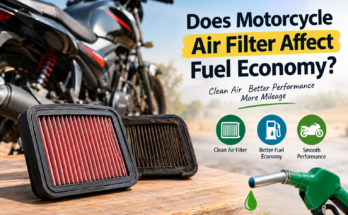
A motorcycle engine needs the correct mixture of air and fuel to operate efficiently. The air filter prevents dust, dirt, and other particles from entering the engine.
When the air filter becomes heavily clogged, airflow can be restricted. Depending on the motorcycle’s design and fuel system, this may affect engine response, performance, and fuel consumption.
This issue can be particularly important for riders who travel on dusty roads or use their motorcycles in areas with construction work and heavy traffic.
I suggest inspecting the air filter at the intervals recommended by the manufacturer. Clean it only if it is designed to be cleaned, and replace disposable filters when necessary.
Avoid washing paper filters or applying oil to a filter that is not designed for that treatment. Proper air filter maintenance helps the engine receive clean air while reducing the risk of damage from dust and debris.
4. Maintain the Motorcycle Chain
For motorcycles with a chain drive, chain maintenance is another important part of improving overall efficiency. A chain that is excessively tight, poorly lubricated, or badly worn can create additional resistance and accelerate wear on other drivetrain components.
A loose chain can also become noisy and may create safety problems. Therefore, chain adjustment should not be ignored.
I recommend checking chain tension according to the motorcycle manufacturer’s instructions. The correct amount of slack varies between motorcycle models, so avoid using one measurement for every bike.
Clean the chain with a suitable cleaner and apply motorcycle chain lubricant when required. Inspect the chain and sprockets for signs of damage or unusual wear.
If the chain has stiff links, damaged rollers, or significant wear, have it inspected by a qualified mechanic. A properly maintained chain helps power transfer smoothly from the engine to the rear wheel.
5. Maintain the Spark Plug
The spark plug helps ignite the air and fuel mixture inside a petrol motorcycle engine. A worn, damaged, or incorrectly gapped spark plug can contribute to starting difficulties, rough running, and reduced performance.
If the engine does not burn fuel properly, fuel economy may suffer. However, replacing a spark plug unnecessarily will not automatically improve mileage when the existing plug is in good condition.
Check the spark plug according to the manufacturer’s maintenance schedule. Use the recommended type and specification, and make sure the gap is correct where adjustment is permitted.
If your motorcycle frequently misfires, struggles to start, or runs unevenly, the spark plug may need inspection. Other ignition or fuel system problems can cause similar symptoms, so a mechanic may need to investigate further.
Regular inspection can help identify problems early and keep the engine running as intended.
6. Keep the Fuel System in Good Condition
The fuel system supplies petrol to the engine in the correct amount. Problems with injectors, carburettors, fuel filters, or related components can affect engine performance and fuel consumption.
For example, a carburettor that needs adjustment may cause poor running, while a malfunctioning fuel injector can interfere with the proper delivery of fuel.
I believe riders should pay attention to changes in fuel average rather than immediately assuming the problem is caused by rising petrol prices. A sudden drop in mileage can sometimes indicate a mechanical issue.
Use the fuel type recommended by the manufacturer. Avoid unnecessary additives that promise dramatic improvements in fuel economy without reliable evidence.
If you notice fuel leakage, a strong petrol smell, repeated engine stalling, or an unexplained increase in fuel consumption, arrange a professional inspection. Fuel leaks require prompt attention because petrol is highly flammable.
7. Avoid Unnecessary Engine Idling
Motorcycle maintenance is important, but riding habits also influence fuel efficiency. Leaving an engine running for long periods while the motorcycle is stationary consumes fuel without covering any distance.
Modern motorcycles generally do not need extended warm up periods before riding. Follow the manufacturer’s starting instructions and allow the engine to settle before moving away smoothly.
In my opinion, riders should avoid leaving their bikes running unnecessarily while waiting for someone or taking a long break.
If you expect to remain stopped for a considerable period, switch off the engine when it is safe and appropriate to do so. However, do not turn off the engine in situations where doing so could create a traffic hazard.
Combining sensible idling habits with regular maintenance can help reduce unnecessary fuel consumption during everyday travel.
8. Check the Brakes and Wheel Condition
Brakes are essential for safety, but a dragging brake can also create unwanted resistance. If a brake does not release properly, the motorcycle may need more energy to move forward.
Signs of a possible brake problem include unusual heat around a wheel, difficulty pushing the motorcycle, a burning smell, or a noticeable loss of performance.
Wheel bearings can also affect smooth movement if they become worn or damaged.
I recommend checking the brakes and wheels during routine servicing. Never loosen or disable a brake to improve fuel average. If a wheel does not rotate freely or the brakes remain engaged, have the problem inspected by a qualified mechanic before continuing to ride.
Good brake condition, correctly adjusted components, and properly maintained wheels support both fuel efficiency and road safety.

9. Follow the Recommended Service Schedule
Regular servicing helps identify small problems before they become expensive repairs. Depending on the motorcycle model, routine service may include checking the engine oil, air filter, spark plug, brakes, chain, tyres, cables, and other components.
I consider the owner’s manual the most reliable starting point for creating a maintenance routine. Different motorcycles have different service requirements, so a schedule designed for one model may not be suitable for another.
Keep a simple record of oil changes, filter replacements, tyre inspections, and major repairs. This makes it easier to remember when maintenance is due.
Do not wait until the motorcycle develops a serious problem before arranging a service. Preventive maintenance can help preserve engine performance, improve reliability, and reduce the likelihood of unexpected expenses.
10. Use Smooth Riding Habits
Even a well maintained motorcycle can consume more fuel when it is ridden aggressively. Rapid acceleration, unnecessary high engine speeds, and frequent hard braking can increase fuel consumption.
Smooth acceleration allows the motorcycle to gain speed without placing unnecessary demands on the engine. Anticipating traffic conditions can also reduce repeated acceleration and braking.
I recommend selecting suitable gears for the speed and road conditions. Avoid running the engine at excessively high speeds or forcing it to pull in a gear that is too high.
Try to maintain a steady, reasonable speed when traffic and road conditions allow. Never sacrifice safe control, legal speed limits, or appropriate braking distances to improve mileage.
Smooth riding combined with proper motorcycle maintenance is a practical way to manage daily fuel expenses.
11. Reduce Unnecessary Weight
Carrying extra weight can increase the energy needed to accelerate a motorcycle. Although the effect varies according to the bike and the riding conditions, unnecessary loads can contribute to higher fuel consumption.
Check whether you are carrying tools, bags, or other items that you do not need for your journey. Remove unnecessary accessories that add substantial weight or create extra aerodynamic resistance.
However, do not remove essential safety equipment or compromise the motorcycle’s stability. Follow the manufacturer’s load limits and ensure that any luggage is secured properly.
A sensible load, combined with correct tyre pressure and smooth riding, can help your motorcycle operate more efficiently.
12. Monitor Your Actual Fuel Average
One useful habit is to measure your motorcycle’s fuel average instead of relying entirely on estimates. This helps you understand whether your maintenance efforts are making a difference.
To calculate mileage, fill the fuel tank to a consistent level, reset the trip meter, and ride normally. At the next refill, record the distance travelled and the litres of petrol added.
Divide the distance travelled by the litres used to calculate kilometres per litre.
For example, if your motorcycle travels 240 kilometres using 6 litres of petrol, its average is 40 kilometres per litre.
Repeat the measurement over several refills under reasonably similar conditions. Traffic, weather, road quality, load, and riding style can all affect the result.
If the fuel average drops significantly without an obvious reason, inspect the motorcycle and consider professional servicing.
Common Motorcycle Maintenance Mistakes to Avoid
Some riders unintentionally reduce fuel efficiency by ignoring basic maintenance. Common mistakes include delaying oil changes, riding with incorrect tyre pressure, neglecting the chain, ignoring unusual engine sounds, and using unsuitable replacement parts.
Another mistake is expecting one product or modification to solve every fuel economy problem. Fuel saving devices and unverified additives may not provide the advertised results.
It is also unwise to make mechanical adjustments without understanding the manufacturer’s recommendations. Incorrect carburettor settings, chain tension, or tyre pressure can create new problems instead of improving performance.
A consistent maintenance routine is generally more useful than repeatedly trying quick fixes.
Frequently Asked Questions
How can I improve my bike fuel average?
Check tyre pressure, maintain the engine oil, clean or replace the air filter when required, inspect the chain, and follow the recommended service schedule. Smooth acceleration and sensible speeds can also help.
Does engine oil affect motorcycle mileage?
Engine oil affects lubrication and engine performance. Using the correct oil and changing it at the recommended interval can help the engine operate as designed, although the improvement in mileage will depend on the motorcycle’s condition.
How often should I service my bike?
The recommended service interval depends on the motorcycle model, its age, and riding conditions. Follow the owner’s manual and arrange additional inspections if you notice unusual noises, poor performance, leaks, or a sudden drop in fuel economy.
Can low tyre pressure increase fuel consumption?
Yes. Low tyre pressure can increase rolling resistance and affect handling. Maintaining the manufacturer’s recommended pressure can support fuel efficiency, tyre life, and safe riding.
Why is my bike giving low mileage despite regular servicing?
Possible causes include heavy traffic, frequent short trips, incorrect tyre pressure, worn components, fuel system problems, brake drag, or changes in riding habits. A qualified mechanic can help identify the actual cause.
Conclusion
Learning how to maintain a bike for better fuel efficiency is about developing simple habits and following a consistent maintenance routine. Checking tyre pressure, changing engine oil on time, keeping the air filter clean, maintaining the chain, and inspecting the spark plug can help preserve motorcycle performance.
In my view, the most effective approach is to combine preventive maintenance with smooth riding and regular fuel average checks. These steps can help reduce unnecessary fuel expenses while supporting reliability and road safety.
Remember that every motorcycle is different, and actual mileage depends on the engine design, vehicle condition, road conditions, traffic, and riding style. Follow your owner’s manual, use suitable replacement parts, and seek professional help when a problem requires technical attention.
With regular care and sensible riding habits, you can keep your motorcycle in better condition and make your daily journeys more economical.