Introduction
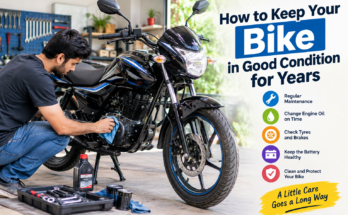
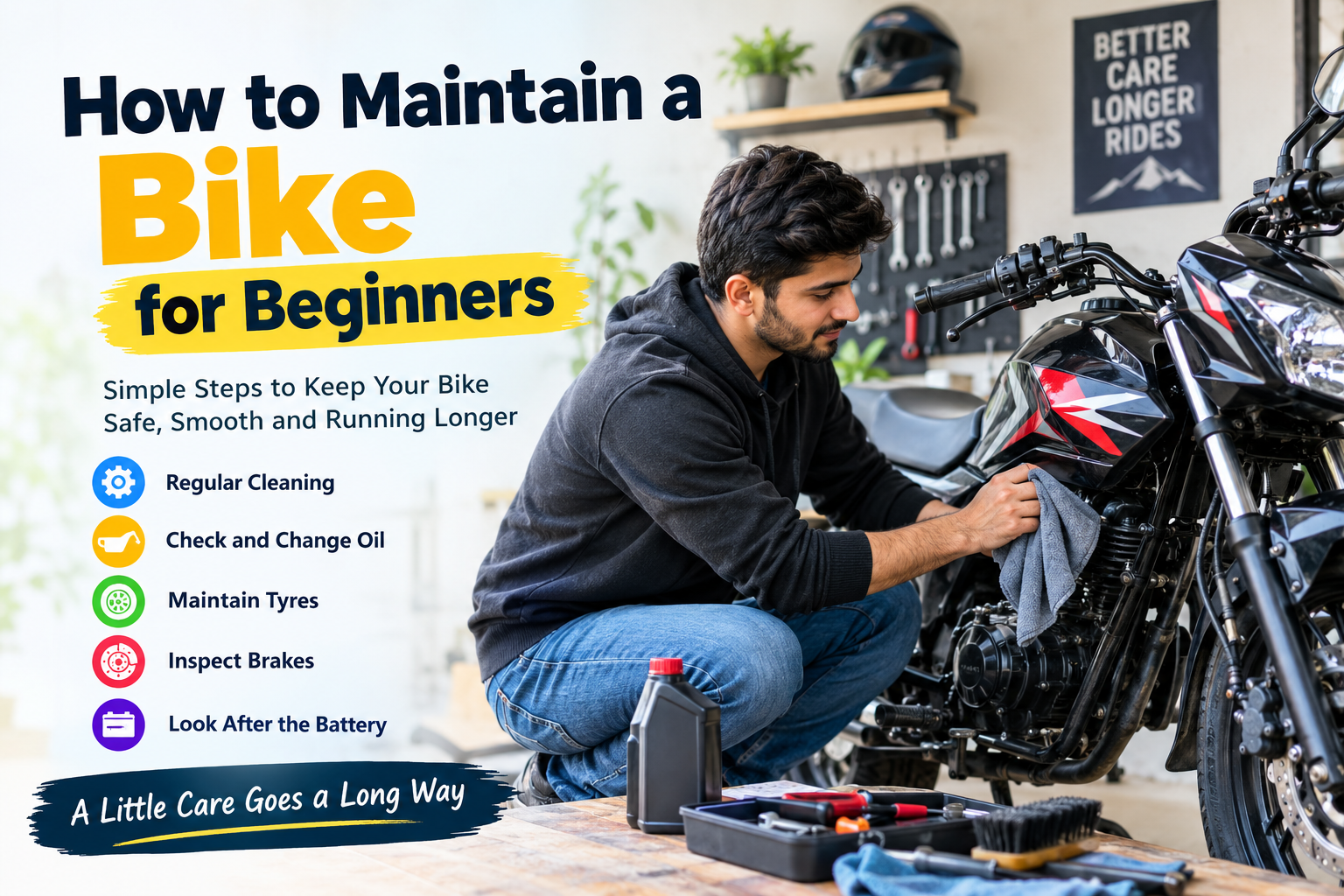
Maintaining a bike is one of the most important habits every rider should develop. Whether you use your bike for daily commuting, weekend trips, or long distance travel, regular maintenance can help keep it safe, comfortable, and reliable. Many beginners believe that bike maintenance is difficult or requires expensive tools, but the truth is that several basic tasks can be performed at home with a little practice.
In my opinion, learning how to maintain a bike for beginners is a smart way to save money and avoid unexpected problems. Simple habits such as checking tyre pressure, cleaning the bike, inspecting the brakes, and changing engine oil at the recommended time can make a noticeable difference in its performance.
In this guide, I will explain the basic bike maintenance tips that beginners should know. These practical steps can help you take better care of your motorcycle and understand when professional servicing is necessary.
Why Bike Maintenance Is Important
Regular bike maintenance helps prevent small problems from becoming expensive repairs. A loose chain, worn brake pads, low engine oil, or damaged tyre can affect the performance and safety of your motorcycle.
When you inspect your bike regularly, you can identify problems before they become serious. This is particularly useful for people who depend on their bikes for work, school, shopping, or other daily activities.
Another benefit is improved reliability. A properly maintained bike is less likely to develop avoidable mechanical problems during a journey. Routine care can also help preserve the value of your motorcycle if you decide to sell it in the future.
I believe beginners should focus on consistency rather than trying to learn every mechanical skill immediately. A few minutes of regular inspection can be more useful than waiting until something goes wrong.
1. Clean Your Bike Regularly
Cleaning is one of the easiest ways to begin motorcycle maintenance. Dust, mud, road dirt, and moisture can collect on different parts of a bike. If left for too long, dirt can hide leaks, damage certain finishes, and contribute to corrosion.
You do not need expensive cleaning products. A bucket of water, motorcycle suitable shampoo, soft cloths, and a gentle cleaning brush are usually enough for basic cleaning.
Start by allowing the engine and exhaust to cool completely. Remove loose dirt with a gentle stream of water, then wash the bodywork with a suitable cleaning solution. Use a separate brush for greasy areas such as the chain and sprockets.
Avoid directing high pressure water at electrical connectors, wheel bearings, seals, and other sensitive components. Never use ordinary household cleaners on surfaces where they may cause damage.
After washing, dry the bike with a clean microfiber cloth. If the chain requires lubrication, apply the correct motorcycle chain lubricant according to the owner’s manual.
Regular cleaning also gives you an opportunity to notice loose parts, scratches, oil leaks, or unusual wear.
2. Check Engine Oil Regularly
Engine oil is essential for the smooth operation of a motorcycle engine. It lubricates moving parts, helps control heat, and reduces friction. Running an engine with insufficient or unsuitable oil can cause serious damage.
For this reason, checking engine oil should be an important part of your bike maintenance routine.
First, consult the owner’s manual to understand how your particular motorcycle’s oil level should be checked. Some bikes use a dipstick, while others have a sight glass. The motorcycle may need to be upright on level ground, and the engine may need to be cold or recently switched off, depending on the manufacturer’s instructions.
If the oil level is below the recommended range, add the specified oil gradually. Avoid overfilling because excess oil can also cause problems.
You should change the engine oil according to the manufacturer’s recommended service interval. The correct interval may depend on distance travelled, time, riding conditions, and the type of oil used.
Always select oil with the viscosity and specifications recommended for your motorcycle. If you are unfamiliar with oil changes, ask a qualified mechanic to demonstrate the process before attempting it yourself.
3. Maintain the Correct Tyre Pressure
Tyres are among the most important safety components of any motorcycle. Incorrect tyre pressure can affect handling, braking, comfort, and tyre life.
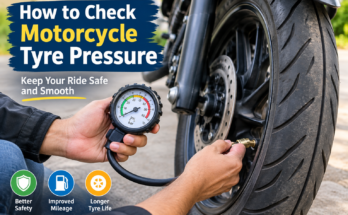
Checking tyre pressure is simple if you have a reliable tyre pressure gauge. Check the pressure when the tyres are cold, following the manufacturer’s recommendations for your bike and riding conditions.
Do not rely only on how the tyres look. A tyre can lose pressure without appearing completely flat.
Inspect both tyres for cracks, cuts, embedded objects, uneven wear, and other visible damage. Also check the tread depth and replace tyres when they reach the manufacturer’s wear limit.
Avoid riding on a tyre with a bulge, exposed cords, serious damage, or a suspected puncture. Have it inspected by a qualified tyre professional.
For beginners, a useful habit is to check tyre pressure before longer journeys and inspect the tyres during regular weekly maintenance.
4. Inspect the Brakes
Your motorcycle’s braking system deserves special attention because it directly affects your safety.
Before riding, check that both brakes respond normally. The brake levers and pedals should feel consistent, and the bike should slow down smoothly when the brakes are applied.
Look for visible signs of worn brake pads, damaged brake discs, fluid leaks, or unusual wear. If your motorcycle uses a hydraulic braking system, check the brake fluid level according to the owner’s manual. Use only the specified brake fluid and never mix incompatible types.
Some warning signs require immediate attention. These include a soft brake lever, grinding noises, reduced stopping power, a brake warning light, or visible fluid leakage.
If you notice any of these problems, avoid riding until the issue has been inspected and corrected. Brake repairs should be handled by a qualified mechanic if you do not have the necessary knowledge and tools.
Never postpone brake maintenance simply because the motorcycle still appears to be running normally.
5. Keep the Chain Clean and Lubricated
Many motorcycles use a chain to transfer engine power to the rear wheel. A poorly maintained chain can become noisy, wear prematurely, and affect power delivery.
Check the chain regularly for rust, stiff links, excessive slack, and signs of damage. Clean it with a motorcycle chain cleaner and a suitable brush. After cleaning, apply the recommended chain lubricant according to the product instructions.
Chain slack is equally important. A chain that is too tight can damage components, while excessive slack can cause poor operation or other mechanical problems.
The correct adjustment varies between motorcycles. Follow the owner’s manual and measure chain slack at the specified position. If you are unsure how to adjust it, ask a mechanic for help.
Some motorcycles use belt drives or shaft drives instead of chains. These systems have different maintenance requirements, so always follow the instructions for your particular bike.

6. Check the Battery
A weak or poorly maintained battery can cause starting problems, especially if your motorcycle remains unused for several days or weeks.
Start by checking whether the battery terminals are secure and free from excessive corrosion. Inspect the battery case for visible damage or leakage. Never touch leaking battery fluid, and seek professional assistance if the battery appears damaged.
If your motorcycle has a conventional serviceable battery, follow the manufacturer’s instructions for checking its electrolyte level. Many modern motorcycles use sealed batteries that should not be opened.
When a bike will remain unused for an extended period, a compatible motorcycle battery maintainer may help preserve its charge. Use only a charger suitable for the battery type.
If the battery repeatedly becomes weak, the problem may involve the charging system rather than the battery alone. A mechanic can test the battery and charging components to identify the cause.
7. Inspect Lights and Electrical Components
Motorcycle lights help you see the road and allow other road users to notice you. Faulty lights can create dangerous situations, especially at night or in poor weather.
Before riding, check the headlight, tail light, brake light, turn signals, and horn. Make sure the switches work correctly and that the lights are bright enough to be seen clearly.
Inspect visible wiring for damage, loose connections, or exposed insulation. Do not ignore flickering lights or repeated electrical failures.
Replace defective bulbs with the correct type and rating where applicable. If the motorcycle has a persistent electrical problem, seek professional diagnosis rather than replacing parts without identifying the cause.
A quick lighting check takes very little time but can help prevent avoidable safety problems.
8. Maintain the Air Filter
The air filter prevents dust and other particles from entering the engine. A dirty or damaged filter can restrict airflow and affect engine performance and fuel efficiency.
The maintenance requirements depend on the filter design. Some filters can be cleaned, while others must be replaced. Foam, paper, and cotton filters may require different procedures and products.
Check the owner’s manual to find the recommended inspection and replacement interval. If you regularly ride on dusty roads, the filter may require more frequent attention.
Never wash a filter unless the manufacturer specifically permits it. Cleaning a filter incorrectly can damage the material and reduce its ability to protect the engine.
If your motorcycle feels unusually weak or consumes more fuel than normal, a dirty air filter may be one possible cause, although other mechanical issues can produce similar symptoms.
9. Pay Attention to Unusual Sounds and Changes
One of the most useful motorcycle maintenance habits is learning what your bike normally sounds and feels like.
If you notice a new rattling noise, unusual vibration, difficulty changing gears, a burning smell, or a sudden change in performance, investigate the cause rather than ignoring it.
These symptoms do not always indicate a serious problem, but they can provide early clues that something needs attention.
Look for visible oil or coolant leaks, loose components, damaged hoses, and other obvious signs. Do not touch hot engine parts or attempt repairs while the motorcycle is running.
If the problem affects braking, steering, tyres, or engine operation, stop riding and arrange a professional inspection.
Learning to recognize changes in your motorcycle can help you identify problems earlier and explain them more clearly to a mechanic.
10. Follow a Simple Bike Maintenance Schedule
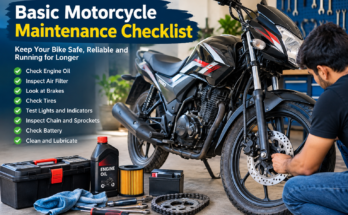
Beginners often find maintenance easier when they follow a regular schedule. Instead of trying to remember every task, create a checklist and keep a record of completed services.
A basic schedule can look like this:
Before every ride: Check the tyres, brakes, lights, mirrors, and any obvious leaks or loose parts.
Weekly: Inspect tyre pressure, chain condition where applicable, visible wiring, and general cleanliness.
At the manufacturer’s specified intervals: Change engine oil, inspect or replace the air filter, check spark plugs where applicable, and service other mechanical components.
Periodically: Arrange a professional inspection of the braking system, suspension, steering, wheel bearings, and other important components.
The exact intervals depend on your motorcycle model, mileage, age, and riding conditions. Your owner’s manual should always take priority over a general maintenance schedule.
Keep receipts and record the date, mileage, parts replaced, and work completed. These records can make future servicing easier and help you understand your bike’s maintenance history.
11. Keep Basic Maintenance Tools at Home
You do not need a complete professional workshop to perform simple maintenance tasks. A few suitable tools can help you inspect and care for your motorcycle.
Useful items include a tyre pressure gauge, microfiber cloths, a cleaning brush, suitable chain cleaner, chain lubricant where applicable, a basic tool kit, and a flashlight.
A motorcycle service manual is also valuable because it provides model specific instructions and technical specifications.
Choose good quality tools that fit your bike’s fasteners correctly. Avoid tightening bolts by guesswork, especially on brakes, wheels, suspension, and engine components. These parts may require specific torque settings and professional knowledge.
For safety, keep tools organized and store cleaning chemicals and lubricants away from children, flames, and food preparation areas. Dispose of used oil and other automotive waste through an appropriate collection or recycling facility.
12. Avoid Common Bike Maintenance Mistakes
Beginners sometimes make small mistakes because they are eager to save money or complete repairs quickly.
One common mistake is ignoring the owner’s manual. Different motorcycles have different oil requirements, tyre pressures, chain adjustment specifications, and service intervals.
Another mistake is using unsuitable products. Incorrect oil, harsh cleaning chemicals, or the wrong lubricant can damage components.
Some riders also delay maintenance because the bike appears to be working normally. Unfortunately, worn tyres, deteriorating brake pads, and low fluid levels may become dangerous before obvious symptoms appear.
Overtightening bolts, adjusting the chain incorrectly, and attempting unfamiliar brake repairs can create additional problems.
My advice is to learn basic inspection skills gradually. Perform only the tasks you understand, follow the manufacturer’s instructions, and ask a qualified mechanic for help whenever safety critical work is involved.
Conclusion
Learning how to maintain a bike for beginners does not have to be complicated. Regular cleaning, checking engine oil, maintaining tyre pressure, inspecting brakes, lubricating the chain where applicable, and monitoring the battery are practical ways to care for your motorcycle.
In my view, the most important part of motorcycle maintenance is developing a consistent routine. You do not need to become a professional mechanic to notice common warning signs or understand when your bike needs servicing.
Start with simple checks, follow your owner’s manual, and keep a record of maintenance work. These habits can help improve reliability, reduce avoidable repair costs, and support safer riding.
A well maintained motorcycle is easier to trust on daily journeys and longer trips. By giving your bike a little attention regularly, you can enjoy a more dependable riding experience and build confidence as a beginner.
Frequently Asked Questions
How often should beginners maintain a bike?
Basic safety checks should be performed before every ride. Tyre pressure and other routine inspections should be checked regularly, while oil changes and major servicing should follow the manufacturer’s recommended intervals.
Can I maintain my motorcycle at home?
Yes. Beginners can usually handle simple tasks such as cleaning, checking tyre pressure, inspecting lights, and monitoring fluid levels. More complicated repairs involving brakes, steering, suspension, or engine components may require professional assistance.
What is the most important motorcycle maintenance task?
There is no single task that replaces all the others. Tyre condition, brakes, engine oil, and other safety critical components all need proper attention.
How can I make my motorcycle last longer?
Follow the service schedule, use recommended fluids and replacement parts, keep the motorcycle clean, maintain the tyres and chain where applicable, and address unusual noises or mechanical problems promptly.
Does regular bike maintenance save money?
Regular maintenance can help prevent some expensive repairs by identifying wear and developing problems early. However, costs depend on the motorcycle’s condition, age, usage, and required repairs.