Introduction
Choosing the right bike for daily use is an important decision because it affects your comfort, travel expenses, safety, and everyday routine. Whether you need a bike for going to work, attending college, shopping, or traveling around your city, the right choice can make your daily journeys easier and more enjoyable.
In my opinion, buying a bike should never be based only on its appearance or popularity. A bike that looks attractive may not always be suitable for your daily needs. You should consider your budget, riding distance, road conditions, fuel efficiency, comfort, and maintenance costs before making a final decision.
Many people purchase a bike without comparing different models or understanding their requirements. As a result, they may experience discomfort, spend more money on fuel, or struggle with maintenance. A little research before buying can help you avoid these problems.
In this guide, I will explain how to choose the right bike for daily use, including the important features to consider and the common mistakes to avoid.
1. Understand Your Daily Riding Needs
The first step in choosing the best bike for daily use is understanding how you plan to use it. Everyone has different transportation needs, so there is no single bike that works perfectly for every rider.
If you travel to your office or college every day, you may need a comfortable, fuel efficient, and reliable bike. If your daily journey includes narrow streets and heavy traffic, a lightweight bike with easy handling can be a practical option.
On the other hand, if you regularly travel long distances, you should pay more attention to seat comfort, engine performance, riding position, and fuel tank capacity.
Before buying a bike, ask yourself a few simple questions. How many kilometers do I travel each day? Do I usually ride alone or with a passenger? Are the roads smooth or uneven? Do I need extra storage space?
Your answers will help you identify the features that matter most.
2. Choose a Bike That Fits Your Budget
Your budget is one of the most important factors when selecting a bike for daily use. However, I believe that the purchase price should not be your only financial consideration.
The total cost of owning a bike includes fuel, regular servicing, engine oil, tires, insurance where applicable, registration, and unexpected repairs.
A bike with a low purchase price may become expensive if it requires frequent maintenance or consumes more fuel than expected. Similarly, an expensive model may offer features you do not really need.
Set a realistic budget before visiting a showroom. Include the initial purchase price and estimate the regular expenses you will face over the coming months.
If you are a student or have a limited income, a simple commuter bike may be a better choice than a powerful model with unnecessary features.
The best bike for daily use is one that meets your transportation needs without putting too much pressure on your monthly budget.
3. Consider Fuel Efficiency
Fuel efficiency is especially important for people who ride their bikes every day. A fuel efficient bike can help reduce transportation expenses over time.
Before purchasing a model, check its claimed fuel economy and look for independent reviews or real world mileage reports. Remember that actual fuel consumption depends on several factors, including traffic, road conditions, riding style, maintenance, and passenger weight.
For example, someone who travels a long distance every day may save a meaningful amount by choosing a bike that uses less fuel.
However, do not select a bike based on mileage alone. You should also consider reliability, braking performance, comfort, and the availability of spare parts.
A balanced choice will provide reasonable fuel efficiency without sacrificing the features you need for safe and comfortable daily travel.
4. Select the Right Engine Size
Engine size affects a motorcycle’s performance, weight, fuel consumption, and suitability for different journeys.
For ordinary city commuting, a small or medium capacity motorcycle may provide enough power for regular travel. Such bikes are often easier to handle in traffic and may have lower running costs, depending on the model.
If your daily route includes highways, steep roads, or frequent long distance travel, you may benefit from a motorcycle with more power. However, a larger engine is not automatically better for everyday use.
Consider your riding experience as well. Beginners may feel more comfortable starting with a manageable motorcycle that allows them to develop their riding skills gradually.
Always choose an engine size that matches your needs, local road conditions, legal requirements, and ability to control the bike safely.
5. Check the Bike’s Comfort and Riding Position
Comfort is one of the most overlooked factors when buying a bike. A motorcycle may look excellent in pictures but feel uncomfortable after twenty minutes of riding.
When testing a bike, pay attention to the seat, handlebar position, footrest placement, and overall riding posture.
Your back should feel reasonably relaxed, your arms should not be excessively stretched, and your knees should remain in a comfortable position. You should also be able to operate the controls without difficulty.
If you commute every day, a comfortable seat becomes particularly important. An uncomfortable riding position can make longer journeys tiring and less enjoyable.
I recommend sitting on several bikes before making a decision. If possible, take a test ride on a safe route to understand how each model feels in real riding conditions.
Remember that the most comfortable bike is not necessarily the most expensive one. The correct fit and riding position matter much more.
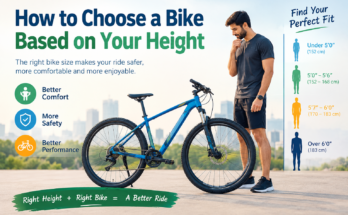
6. Choose the Correct Bike Weight and Seat Height
Bike weight and seat height can significantly affect handling, particularly for new riders.
A lightweight motorcycle is often easier to maneuver in crowded streets, park in small spaces, and move around at low speeds. However, the ideal weight depends on your strength, experience, and riding environment.
Seat height is equally important. When you stop, you should feel confident balancing the motorcycle. Depending on the bike’s design and your body proportions, you may be able to place both feet flat on the ground or maintain a stable position with one foot firmly planted.
Do not choose a bike solely because its specifications mention a low seat height. Seat width and suspension also influence how easily you can reach the ground.
Before buying, practice balancing the motorcycle while stationary and make sure you can operate its controls comfortably.
A bike that fits your body can make daily riding less stressful and help you feel more confident.
7. Pay Attention to Safety Features
Safety should always be a priority when choosing a motorcycle for daily use. Even short journeys require proper braking, good visibility, and reliable handling.
Check the braking system carefully. Depending on the model, useful features may include an anti lock braking system, combined braking system, or other braking technologies. Understand which features are included and how they work.
Inspect the headlight, indicators, brake light, mirrors, and horn. These components help you see the road and communicate your intentions to other road users.
Tire condition and quality are also important because tires provide the grip needed for acceleration, turning, and braking.
Along with selecting a safe bike, invest in a properly fitted, certified motorcycle helmet. Wear appropriate protective clothing and footwear, and follow local traffic laws.
Never assume that safety equipment is unnecessary because you only travel a short distance. Good riding habits and suitable protective gear are essential every day.
8. Check Maintenance Requirements
Every motorcycle requires regular maintenance, but the cost and complexity can vary between models.
Before buying, research the recommended service schedule and the typical prices of common replacement parts. Ask whether authorized service centers or experienced mechanics are available in your area.
You should also check the availability of engine oil, filters, brake components, tires, chains, and other frequently replaced parts.
A popular commuter motorcycle may be a practical option when spare parts and qualified mechanics are easy to find. However, availability varies by location and manufacturer.
Read owner reviews to learn about common maintenance concerns, but avoid making a decision based on a single negative review.
Regular servicing, correct tire pressure, chain care where applicable, and timely oil changes can help keep your motorcycle operating properly.
A bike that is easy to maintain can save time and money throughout its useful life.
9. Consider Road Conditions and Weather
The roads you travel on every day should influence your buying decision.
If your daily route includes smooth city streets, a standard commuter motorcycle may be suitable. If you regularly encounter potholes, rough roads, or uneven surfaces, pay closer attention to suspension quality, ground clearance, tire design, and overall durability.
For areas with frequent rain, check tire grip, braking performance, and lighting. Wet roads require extra caution, even when a motorcycle has good equipment.
If you frequently carry a passenger or luggage, consider the bike’s rated load capacity and passenger comfort.
You should also think about where you will park the motorcycle. A compact model may be more convenient if you have limited parking space.
Choosing a bike according to your actual surroundings is often more useful than buying one simply because it is popular online.
10. Compare Different Bikes Before Buying
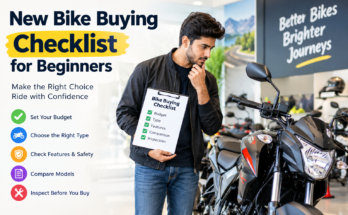
Never rush into buying the first motorcycle that attracts your attention. Comparing several options can help you understand which model offers the best value.
Make a shortlist of two or three bikes within your budget. Compare their fuel efficiency, engine performance, seat comfort, weight, safety features, service costs, and warranty coverage.
Visit dealerships if possible and ask about the current price, included accessories, service arrangements, and delivery requirements.
Online owner reviews can provide useful information about everyday performance. However, remember that individual experiences may differ because of riding conditions and maintenance habits.
Take a test ride when available and permitted. Pay attention to acceleration, braking, steering, vibration, and comfort.
A simple comparison helps you focus on practical benefits rather than advertising claims.
11. Think About Resale Value and Reliability
A motorcycle is a financial investment, even if you plan to use it for many years.
Some models may have stronger resale demand because they are popular, economical, or supported by a wide service network. Nevertheless, resale value depends on location, condition, mileage, maintenance history, and market demand.
Before purchasing, investigate the manufacturer’s reputation and the availability of after sales support.
Keep purchase documents, service records, and receipts in a safe place. Following the recommended maintenance schedule can help preserve the bike’s condition.
If you expect to upgrade in a few years, resale value may deserve more attention. If you plan to keep the bike for a long time, comfort, durability, and ownership costs may be more important.
Think about your future plans before making your final decision.
12. Avoid Common Motorcycle Buying Mistakes
Several common mistakes can lead to disappointment after buying a bike.
First, do not select a motorcycle only because of its appearance. Attractive styling is useful, but it cannot replace comfort, reliability, and safety.
Second, avoid exceeding your budget for features you rarely use. A practical motorcycle that meets your daily needs is often a better investment.
Third, never ignore the importance of a test ride. Even a highly rated motorcycle may not suit your height or riding style.
Fourth, do not overlook maintenance costs and spare parts availability. These expenses can become significant over time.
Finally, avoid riding a motorcycle that is beyond your current skill level. Choose a suitable model, obtain the required license, and practice safe riding techniques.
Taking time to evaluate these factors can help you make a more informed purchase.
Conclusion
Choosing the right bike for daily use becomes easier when you focus on your actual transportation needs instead of following trends or advertisements.
In my view, the best daily use motorcycle should offer a comfortable riding position, reasonable fuel efficiency, dependable performance, manageable maintenance costs, and appropriate safety features. It should also fit your budget and the roads you travel regularly.
Before making your final decision, compare different models, check the availability of spare parts, review ownership expenses, and take a test ride whenever possible.
Do not feel pressured to purchase a powerful or expensive motorcycle if a simpler model can meet your needs. The right bike is the one that makes your everyday journeys practical, comfortable, and safe.
By considering these factors carefully, you can choose a motorcycle that serves you well for daily commuting, shopping, college, work, and other routine activities.
Frequently Asked Questions
1. Which bike is best for daily use?
The best bike for daily use depends on your budget, riding distance, road conditions, and comfort preferences. A reliable commuter motorcycle with reasonable fuel efficiency and affordable maintenance is often a practical choice.
2. What should I check before buying a daily use bike?
Check the price, fuel efficiency, engine size, comfort, seat height, braking system, tire quality, service costs, warranty, and spare parts availability. A test ride can also help you determine whether the bike suits you.
3. Is a lightweight bike better for daily commuting?
A lightweight bike can be easier to handle in traffic and park in small spaces. However, the best choice depends on your physical comfort, experience, road conditions, and transportation requirements.
4. How important is fuel efficiency when buying a motorcycle?
Fuel efficiency is important because regular commuting can increase fuel expenses. Compare real world mileage reports, but also consider reliability, comfort, safety, and maintenance costs.
5. Should beginners buy a powerful motorcycle?
Beginners should choose a motorcycle they can control comfortably and confidently. A manageable bike can help them develop riding skills before moving to a more powerful model.