Introduction
Choosing your first bike can be an exciting experience, especially when you want something comfortable, easy to control, and suitable for everyday riding. However, many beginners focus only on appearance or price and forget to consider one of the most important features, which is the weight of the bike.
The best lightweight bikes for new riders are generally easier to handle, move around, park, and control at low speeds. A lighter bike can also make learning more enjoyable because beginners can focus on balance, steering, braking, and building confidence instead of struggling with a heavy machine.
In my opinion, choosing a lightweight bike is a practical decision for anyone who is starting their riding journey. Whether you want a bicycle for exercise, a motorcycle for daily transportation, or a bike for weekend adventures, understanding the available options can help you make a better purchase.
In this guide, I will explain the different types of lightweight bikes, their benefits, the features beginners should consider, and how to choose a bike that matches their needs and budget.
Why Lightweight Bikes Are Better for New Riders
When you are learning to ride, comfort and control should be among your main priorities. A bike that feels too heavy can make simple tasks more difficult, especially when moving slowly, turning in tight spaces, or parking.
Lightweight bikes can help beginners develop their skills more comfortably. Their lower weight often makes them easier to maneuver, although the overall design, balance, seat height, and riding position also affect how a bike feels.
Another advantage is convenience. If you need to move your bicycle into a garage, carry it up a few steps, or maneuver a motorcycle in a parking area, a lighter model may require less physical effort.
Fuel economy is not automatically better simply because a motorcycle is lighter. Engine design, maintenance, riding habits, and aerodynamics also influence fuel consumption. Similarly, a lightweight bicycle is not necessarily faster or more comfortable than every heavier model.
For new riders, the main goal should be finding a bike that feels manageable and inspires confidence.
Types of Lightweight Bikes for Beginners
Before choosing a specific model, it is important to understand the different types of bikes available. Each category is designed for different riding conditions and purposes.
1. Lightweight Hybrid Bicycles
Hybrid bicycles are an excellent option for beginners who want one bike for several everyday activities. They combine features commonly found on road bikes and mountain bikes, offering a practical balance between comfort and efficiency.
Most hybrid bicycles have a relatively upright riding position, flat handlebars, and tires suitable for paved roads and light paths. These features make them useful for commuting, casual exercise, and short recreational rides.
I would recommend a hybrid bicycle to someone who wants to start cycling without purchasing a specialized racing or mountain bike. It is particularly useful for riders who travel through neighborhoods, parks, and city streets.
When comparing hybrid bicycles, check the frame material, total weight, brake quality, and available frame sizes. An aluminum frame can be a good choice because it is generally lighter than a comparable steel frame, although the complete bicycle’s weight depends on its components.
2. Lightweight Road Bikes
Road bikes are designed primarily for riding on paved surfaces. They usually have narrow tires, lightweight frames, and handlebars that may allow several hand positions.
Their design helps reduce rolling resistance and makes them suitable for longer rides and faster cycling on smooth roads.
However, some beginners find the forward leaning position of traditional road bikes uncomfortable at first. If you are interested in a road bike, look for an endurance style model with a more relaxed geometry.
A lightweight road bike can be suitable for people who want to improve their fitness, cover longer distances, or participate in organized cycling events.
Before buying one, make sure the riding position feels natural. A light frame will not make a bike enjoyable if the handlebars, saddle, or frame size are unsuitable.
3. Lightweight Mountain Bikes
Mountain bikes are designed for uneven surfaces, gravel paths, and off road trails. Many models have wider tires, stronger frames, and suspension systems that help absorb impacts.
For beginners who ride on rough roads or unpaved paths, a mountain bike may be a sensible option. However, some mountain bikes are heavier than road and hybrid bicycles because of their suspension, tires, and durable construction.
If you prefer a lightweight mountain bike, consider a hardtail model. Hardtail bikes have suspension at the front but usually do not have rear suspension. This simpler design can reduce weight, cost, and maintenance requirements compared with many full suspension models.
For everyday riding on smooth roads, a basic mountain bike may have more features than you need. Think about where you will ride before paying extra for suspension or specialized components.
4. Lightweight Folding Bikes
Folding bikes are especially useful for people who have limited storage space or need to combine cycling with public transportation.
Their folding frames allow them to fit into smaller storage areas, making them practical for apartments, offices, and some travel situations.
However, a folding bicycle is not automatically lightweight. Some models are designed mainly for compact storage and may weigh more than expected. Check the manufacturer’s stated weight before making a decision.
Wheel size, folding mechanism, frame design, and riding position can also affect comfort and handling. If possible, test ride a folding bike before purchasing it.
For beginners who need a bicycle that is easy to store, this category is worth considering.
5. Lightweight Motorcycles
Some beginners are interested in motorcycles rather than pedal bicycles. In this case, choosing a manageable motorcycle can make learning basic riding skills less intimidating.
Small displacement commuter motorcycles and certain lightweight standard motorcycles can be suitable options, depending on local licensing requirements, rider experience, and the intended use.
When comparing motorcycles, do not focus on weight alone. Engine power, seat height, braking performance, clutch feel, and balance are equally important.
A motorcycle that feels easy to handle while stationary may still be demanding to ride if it has aggressive power delivery or a difficult riding position.
Beginners should choose a model that matches their skill level and complete appropriate training before riding in traffic.
Important Features to Check Before Buying
Finding the best lightweight bike for new riders requires more than checking the number on a scale. Several features can affect your experience.
Frame Material
Frame material is an important factor in bicycle weight. Aluminum frames are common because they can provide a useful balance of weight, durability, and price.
Carbon fiber frames can be lighter in some designs, but they often cost more. They may not be necessary for someone who is learning to ride or needs a practical everyday bicycle.
Steel frames can provide durability and a comfortable ride, depending on their construction, but some models are heavier.
For motorcycles, the frame material is only one part of the total weight. The engine, fuel tank, wheels, suspension, and other components also matter.
Correct Size and Seat Height
A properly sized bike is easier to control than one that is too large or too small.
For bicycles, check the manufacturer’s size chart and test the riding position. You should be able to reach the handlebars comfortably and operate the brakes without stretching.
For motorcycles, make sure you can manage the bike at a stop and understand how its seat height affects your ability to support it. You do not necessarily need both feet completely flat on the ground, but you should feel secure and able to control the motorcycle.
Never assume that a bike will fit simply because it is advertised as suitable for beginners.
Brakes and Tires
Reliable brakes are essential for every new rider. Bicycle buyers should compare brake quality, stopping performance, and the ease of maintaining the braking system.
Disc brakes can provide useful stopping performance in different conditions, but the quality of the components and proper adjustment remain important.
Motorcycle buyers should check the braking system, tire condition, and safety features. Anti lock braking systems can help prevent wheel lock during certain hard braking situations, but they do not eliminate the need for safe braking techniques.
Tires should match the surfaces you plan to ride on. Wider tires may provide more grip and comfort in some situations, while narrower tires can be efficient on smooth roads.
Comfort and Riding Position
Comfort is important because beginners may need time to develop stamina and confidence.
An upright riding position is often comfortable for casual cyclists and commuters. Road cyclists may prefer a more forward position for efficiency, while mountain bikers may need a posture that supports control on uneven terrain.
For motorcycles, consider the reach to the handlebars, footpeg position, seat shape, and vibration levels.
A test ride, when available and safe, can reveal problems that specifications alone cannot explain.
How to Choose the Best Lightweight Bike on a Budget
Buying an expensive bike is not necessary to enjoy riding. Beginners can often find a suitable option by focusing on essential features rather than premium extras.
First, decide how much you can comfortably spend. Remember to include the cost of a helmet, a suitable lock, lights, maintenance, and other necessary accessories.
Second, identify your main purpose. A hybrid bicycle may be appropriate for everyday cycling, while a road bike may be better for longer rides on paved roads. A folding bicycle can be useful when storage is limited.
If you are shopping for a motorcycle, also consider registration, insurance where applicable, fuel, protective equipment, and routine servicing.
Third, compare several models in the same category. Look at total weight, frame size, brake quality, warranty coverage, and the availability of replacement parts.
A slightly heavier bicycle with reliable components may be a better purchase than an extremely light model with poor brakes or difficult maintenance.
You can also consider a used bicycle or motorcycle, provided you inspect it carefully. Check for frame damage, worn tires, brake problems, rust, and signs of poor maintenance. For a used motorcycle, a qualified mechanic can help identify mechanical issues before you buy.
Common Mistakes New Riders Should Avoid
One common mistake is choosing a bike based only on appearance. A stylish model may attract attention, but its weight, size, and riding position might not suit you.
Another mistake is buying the lightest available option without considering durability. The best bike is one that meets your needs and can handle the conditions in which you plan to ride.
Beginners should also avoid ignoring safety equipment. A properly fitted helmet is essential, and cyclists should consider visible clothing, lights, and a lock. Motorcycle riders need suitable protective gear, including gloves, sturdy footwear, and protective clothing.
Skipping regular maintenance is another problem. Check tire pressure, brakes, chain condition, and other components according to the manufacturer’s instructions.
Finally, do not rush the learning process. Start in a quiet, suitable area and practice steering, braking, turning, and maintaining balance before moving into busier environments. Motorcycle learners should use approved training and follow local licensing rules.
Tips for Maintaining a Lightweight Bike
Proper maintenance helps keep a bike safe, efficient, and enjoyable to ride.
For bicycles, check tire pressure regularly and inspect the tires for cuts or excessive wear. Keep the chain clean and lubricated as recommended by the manufacturer. Make sure the brakes work correctly and that the wheels are securely attached.
Pay attention to unusual sounds, loose components, or changes in handling. Small issues are often easier to resolve when identified early.
For motorcycles, follow the service schedule in the owner’s manual. Check engine oil, tire pressure, brakes, lights, chain tension where applicable, and other components specified by the manufacturer.
Avoid making repairs beyond your knowledge, particularly when they involve critical safety systems. A qualified mechanic can inspect and repair components that require specialist tools or experience.
Regular maintenance is often more valuable than purchasing expensive accessories that do not improve your actual riding needs.
Frequently Asked Questions
What is the best lightweight bike for a complete beginner?
A hybrid bicycle is often a practical starting point for someone who wants to cycle on paved roads and paths. For motorcycle beginners, the best option depends on local laws, training, physical fit, and experience. There is no single model that suits everyone.
Are lightweight bikes easier to ride?
They can be easier to maneuver, carry, and park. However, frame geometry, wheel size, balance, seat height, and component quality also influence handling.
Is an aluminum bike better for beginners?
An aluminum bicycle can be a good choice because it often offers a useful balance between weight and price. Nevertheless, correct sizing, comfort, safety, and overall quality are more important than frame material alone.
Should I buy a new or used lightweight bike?
Both options can work. A new bike may offer a warranty and predictable condition, while a used bike may save money. Inspect used bikes carefully and consider a professional assessment before purchasing a used motorcycle.
How much should I spend on my first bike?
Set a budget based on your needs and local prices. Keep enough money for safety equipment, maintenance, and essential accessories rather than spending your entire budget on the bike itself.
Conclusion
Choosing the best lightweight bikes for new riders becomes much easier when you understand your needs, riding environment, and budget. A hybrid bicycle may be ideal for everyday cycling, a road bike may suit longer paved rides, a hardtail mountain bike can handle rougher paths, and a folding bike may be the right choice for limited storage. Beginners interested in motorcycles should focus on manageable weight, suitable power, comfortable fit, and reliable safety features.
My advice is to prioritize comfort, control, dependable brakes, and correct sizing instead of choosing a bike simply because it is the lightest or most attractive. Compare a few options, test ride when possible, and leave room in your budget for safety equipment and maintenance.
The right lightweight bike can make your first riding experiences more comfortable and enjoyable. With regular practice and proper care, you can build confidence, improve your skills, and make riding a rewarding part of your daily life.
SEO Title: Best Lightweight Bikes for New Riders: Beginner Buying Guide
Meta Description: Discover the best lightweight bikes for new riders, including hybrid, road, mountain, folding, and motorcycle options, with beginner buying tips.
Focus Keyword: Best Lightweight Bikes for New Riders
Suggested URL Slug: best-lightweight-bikes-for-new-riders
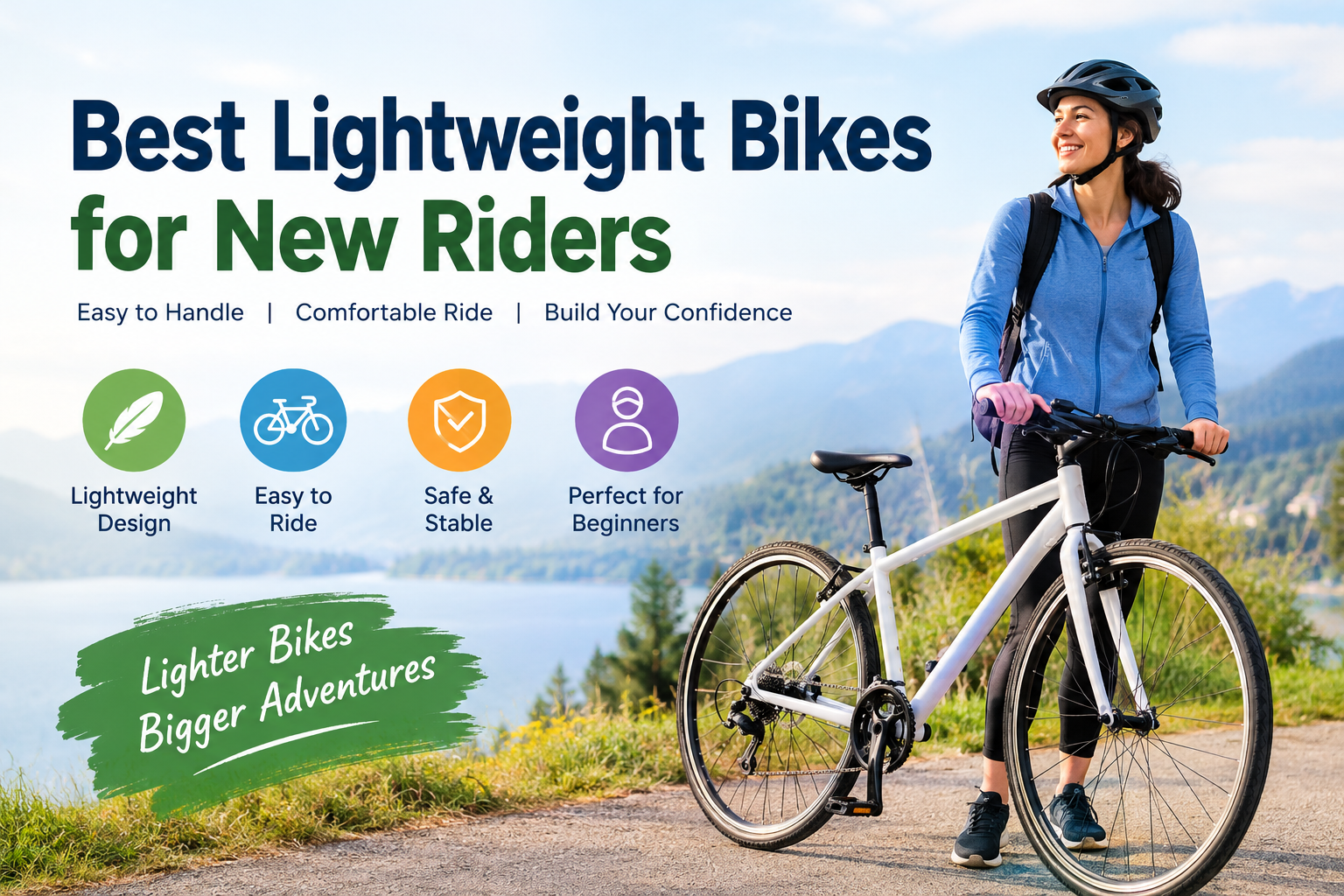
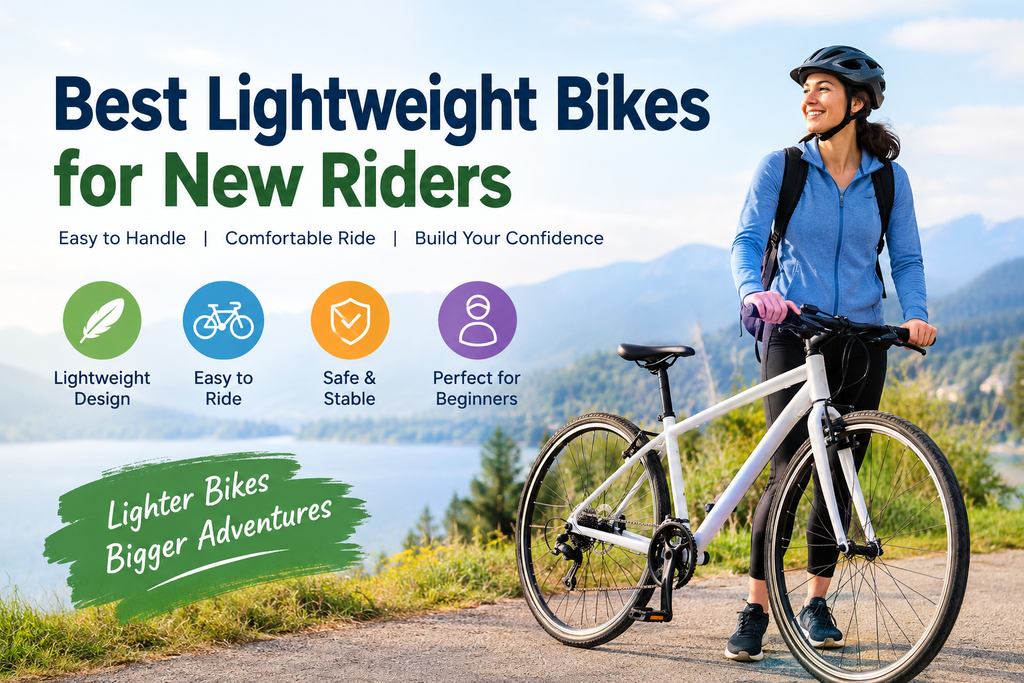
Suggested Image Alt Text: Best lightweight bikes for new riders with a comfortable bicycle on a scenic cycling path.