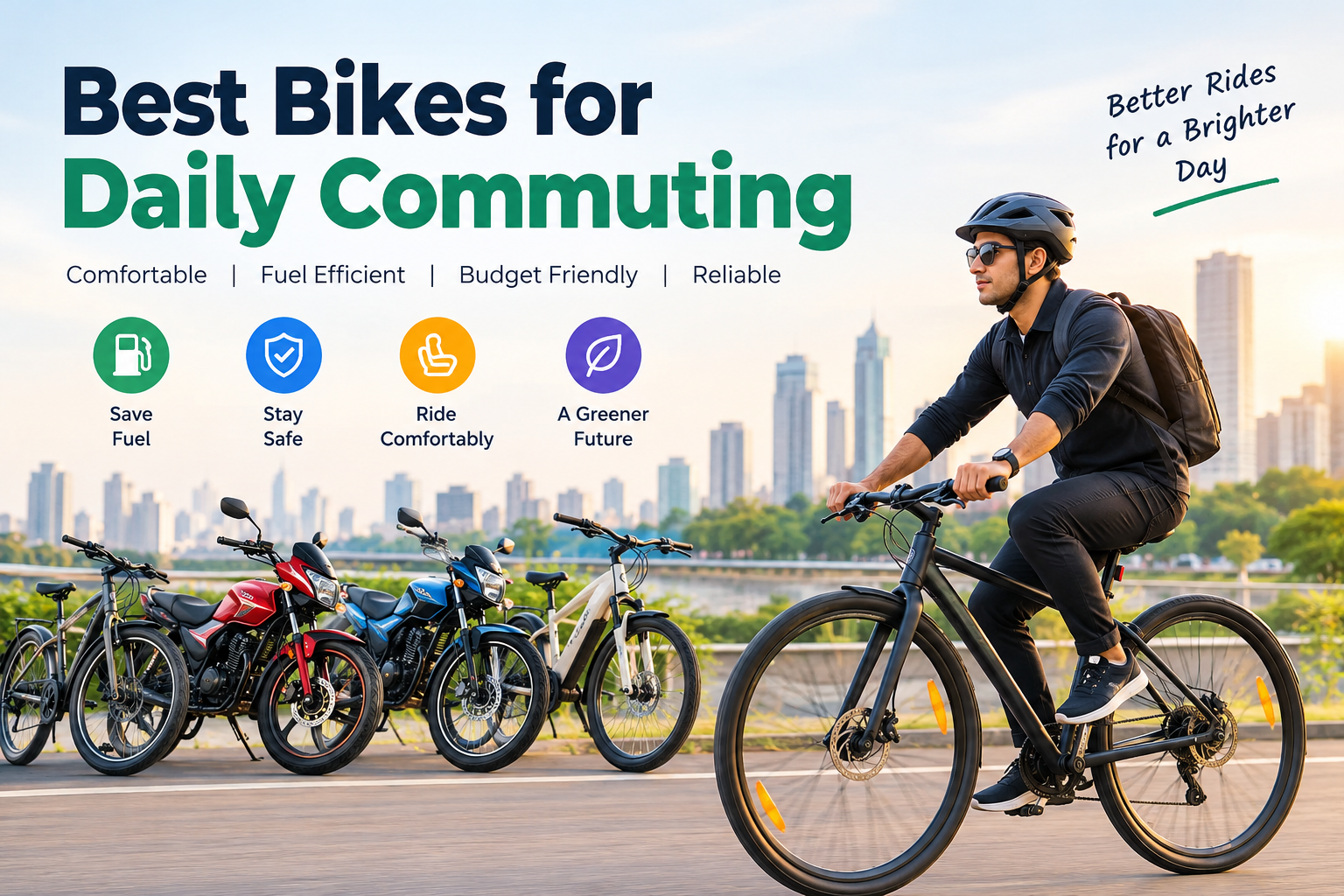
Choosing the best bikes for daily commuting is an important decision for anyone who travels to work, school, college, or the market regularly. A good bike can make everyday travel more comfortable, affordable, and convenient. However, with so many types of bikes available, choosing the right one can sometimes feel confusing, especially for beginners.
In my opinion, the best bike for daily use is not necessarily the most expensive or powerful model. Instead, it should offer good fuel efficiency, comfortable seating, reliable performance, affordable maintenance, and easy handling. A bike that meets these requirements can make daily journeys easier without putting unnecessary pressure on your budget.
In this guide, I will explain how to choose the best bike for daily commuting, which types of bikes are suitable for different riders, and what features you should consider before making a purchase.
Why Choosing the Right Bike for Daily Commuting Matters
Daily commuting is different from riding a bike occasionally for enjoyment. When you use a bike every day, you need a vehicle that can handle regular traffic, changing weather conditions, different road surfaces, and frequent stops.
For example, someone traveling a short distance within a city may need a lightweight bike with excellent fuel efficiency. On the other hand, someone traveling a long distance to work may prefer a more powerful motorcycle with a comfortable seat and stable handling.
I believe that understanding your daily travel requirements should always be the first step. Buying a bike simply because it looks attractive or is popular among friends may not be the best decision.
A suitable commuting bike can help you save money, reduce travel time, and enjoy a more convenient daily routine.
1. Commuter Motorcycles for Everyday Travel

Add to Favorites
Commuter motorcycles are among the most practical choices for people who travel regularly. They are generally designed for everyday transportation rather than high speed or long distance touring.
Many commuter motorcycles offer economical engines, upright seating positions, manageable weight, and relatively simple maintenance requirements.
These features make them suitable for employees, students, delivery workers, and other people who need dependable transportation.
When choosing a commuter motorcycle, I recommend paying attention to engine size, fuel consumption, seat comfort, braking performance, and the availability of spare parts.
A smaller engine may be sufficient for short city journeys, while a larger engine may be more appropriate for longer commutes or roads where additional power is useful.
However, engine size alone does not determine whether a motorcycle is economical. Riding style, traffic conditions, maintenance, and the specific model also affect fuel consumption.
2. Lightweight Bikes for City Commuting

Add to Favorites
Lightweight bikes are especially useful in crowded cities where riders frequently encounter traffic jams, narrow streets, and limited parking spaces.
A lighter motorcycle is often easier to maneuver at low speeds and easier to move into a parking position. This can be particularly helpful for beginners who are still developing their riding skills.
Another advantage is that lightweight motorcycles can feel less tiring during frequent stops and starts. Their manageable size may also make them suitable for riders who do not feel comfortable handling heavier bikes.
Before buying a lightweight bike, check its seat height and riding position. A motorcycle should allow you to reach the controls comfortably and maintain good balance when stopping.
In my view, a lightweight bike is a sensible option for people whose daily journeys mostly take place within busy urban areas.
3. Fuel Efficient Bikes for Daily Use
Fuel efficiency is one of the most important factors when choosing the best bike for daily commuting. If you travel every day, even a small difference in fuel consumption can affect your monthly transportation expenses.
Fuel efficient motorcycles can be particularly useful for students, office workers, and people who travel several kilometers daily.
However, you should not rely only on the mileage figure advertised by a manufacturer. Real world fuel consumption can vary depending on traffic, road conditions, passenger weight, tire pressure, maintenance, and riding habits.
To compare different models, consider the following points:
- Check the manufacturer’s claimed fuel economy.
- Ask local owners about their real world experience.
- Compare the fuel tank capacity and estimated running costs.
- Look for a model with an engine suitable for your usual routes.
- Keep the engine properly maintained to support efficient performance.
I would also consider the price of spare parts and routine servicing. A motorcycle that saves fuel but requires expensive repairs may not provide the best overall value.
The goal is to find a bike that keeps your regular transportation expenses manageable without sacrificing safety or reliability.
4. Electric Bikes for Short Daily Commutes

Add to Favorites
Electric bikes are becoming an interesting option for people who want an alternative to traditional transportation. Depending on local availability and regulations, an electric bicycle or electric two wheeler may work well for short daily journeys.
Electric bicycles provide pedal assistance, helping riders travel with less physical effort. Some electric two wheelers use a throttle and are designed more like small motor vehicles.
One potential advantage is the lower energy cost per journey compared with many petrol powered vehicles. Electric models can also require less routine engine maintenance because they do not use a conventional petrol engine.
However, there are several things to consider before purchasing one.
First, check the battery range under realistic riding conditions. The advertised range may not match your daily experience, especially if you travel at higher speeds, carry extra weight, or ride on hilly roads.
Second, consider charging time and whether you have a safe place to charge the battery. Replacement battery costs and warranty coverage are also important.
For longer commutes, confirm that the available range comfortably covers your round trip. You should also check local rules regarding registration, licensing, helmet use, and permitted speeds.
An electric bike can be a practical choice when its range, charging arrangements, and purchase price fit your needs.
5. Comfortable Bikes for Long Daily Journeys
If your workplace is far from home, comfort becomes just as important as fuel economy.
A motorcycle that feels comfortable during a short test ride may become tiring after an hour of daily travel. For this reason, I recommend evaluating the riding position and suspension before purchasing a bike for a long commute.
Look for a motorcycle with an appropriately shaped seat, a relaxed riding position, accessible controls, and suspension that handles the roads you regularly use.
An upright riding position can reduce the need to lean forward continuously. A properly designed seat may also help reduce discomfort during longer journeys.
If your route includes rough roads, suspension performance becomes particularly important. However, suspension quality should be assessed alongside tire condition, seat design, and the motorcycle’s overall handling.
Before making your decision, sit on the motorcycle for several minutes and check whether your arms, knees, and back feel comfortable.
I believe that comfort is a long term investment. A slightly more expensive motorcycle may be worthwhile if it makes your daily commute noticeably easier and remains affordable to maintain.
6. Budget Bikes for Students and Office Workers
Not everyone needs a premium motorcycle for daily travel. For many students and office workers, an affordable bike that performs reliably is a better choice.
When comparing budget bikes, consider the complete cost of ownership rather than just the purchase price.
Your total expenses may include:
- Initial purchase cost
- Fuel or electricity
- Routine servicing
- Engine oil and replacement parts
- Tires and brake maintenance
- Registration and insurance where applicable
- Safety equipment and security accessories
I suggest setting a realistic budget before visiting a dealership. It is better to purchase a bike that you can comfortably afford to operate than to spend your entire budget on the initial purchase.
You should also consider whether the manufacturer has an authorized service center nearby. Convenient servicing can save time and make routine maintenance easier.
For a used motorcycle, arrange a thorough mechanical inspection before paying. A low purchase price may not be worthwhile if the bike needs major repairs shortly afterward.
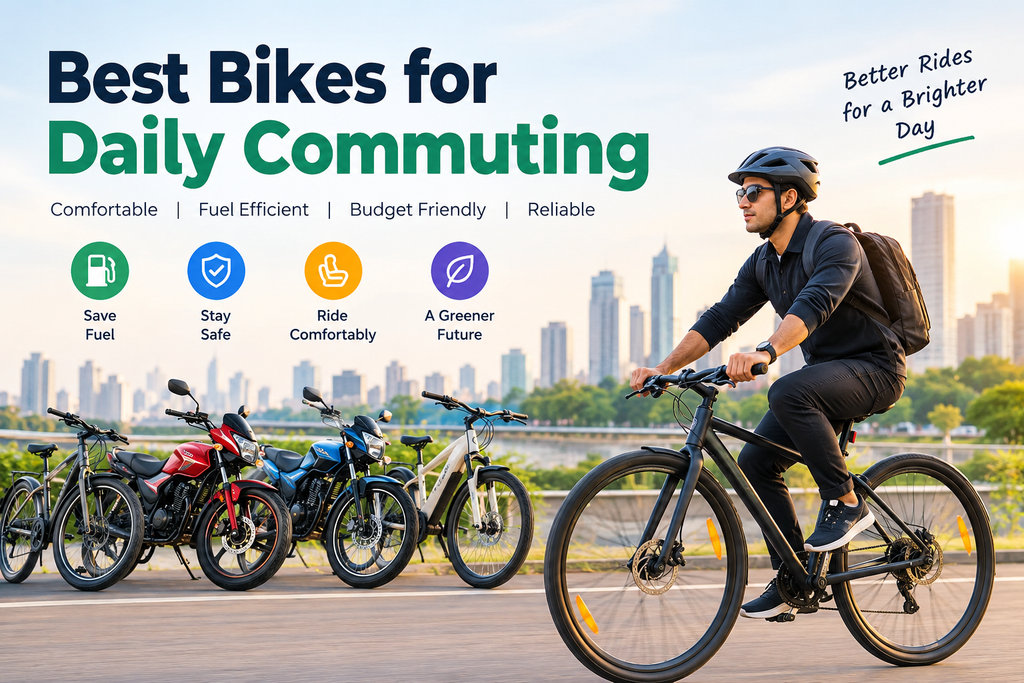
7. Important Features to Check Before Buying a Commuting Bike
Choosing the best bike for daily commuting becomes easier when you compare models using the same criteria.
The following table summarizes the most important features.
| Feature | Why It Matters |
|---|---|
| Fuel efficiency | Helps control regular transportation costs |
| Seat comfort | Makes daily journeys less tiring |
| Engine performance | Provides suitable power for your usual roads |
| Weight and handling | Helps with maneuvering and parking |
| Brakes and tires | Support safe stopping and road grip |
| Maintenance cost | Affects long term affordability |
| Spare parts availability | Makes repairs more convenient |
| Reliability | Reduces the likelihood of unexpected problems |
| Security features | Helps protect your investment |
Do not ignore safety features while comparing motorcycles. Look for effective brakes, good lighting, suitable tires, and available safety technology such as ABS where offered.
Always wear an appropriate, properly fitted helmet and follow local traffic laws. A comfortable and economical motorcycle is only a good choice when it can also be used responsibly.
8. How to Choose the Best Bike for Your Daily Route
The right motorcycle depends heavily on where and how you ride.
If you mainly travel through congested city streets, a lightweight commuter motorcycle may be the most convenient option. Its manageable size can help with low speed maneuvering and parking.
If you cover longer distances every day, consider a motorcycle that offers a comfortable riding position, adequate power, and good stability at your normal cruising speed.
If your commute includes rough roads, pay closer attention to ground clearance, suspension, tire quality, and overall durability.
For people who travel only a few kilometers, an electric bicycle or another suitable low cost transportation option may be worth comparing with a petrol powered motorcycle.
You should also think about carrying requirements. If you regularly transport a backpack, work equipment, or groceries, check whether the bike can accommodate suitable luggage securely.
My advice is to choose a motorcycle based on your actual routine rather than an imagined future use. A practical bike that meets your everyday requirements will usually provide better value than one with features you rarely need.
9. Should You Buy a New or Used Bike for Daily Commuting?
Both new and used motorcycles can be suitable for daily travel, but they offer different advantages.
A new bike usually comes with a manufacturer warranty, a known ownership history, and no previous wear from another rider. However, its initial cost may be higher.
A used bike can be more affordable and may provide better value when it has been maintained properly. The main concern is that hidden mechanical problems or an unclear maintenance history can lead to unexpected expenses.
Before buying a used motorcycle, inspect the tires, brakes, chain, suspension, lights, and engine condition. Look for signs of accident damage, unusual noises, oil leaks, and poorly repaired parts.
Check the registration documents, ownership details, and any required transfer paperwork according to local regulations.
If you are not experienced with motorcycle inspections, ask a qualified mechanic to examine the bike before completing the purchase.
For daily commuting, reliability should be a priority. Saving money on the initial purchase is useful only when the motorcycle remains safe and economical to operate.
10. Maintenance Tips for a Reliable Daily Commuting Bike
Even a good motorcycle requires regular maintenance. Proper care can help you identify small problems before they develop into expensive repairs.
Start by checking tire pressure according to the manufacturer’s recommendations. Incorrect pressure can affect handling, tire wear, and fuel economy.
Inspect the brakes regularly and pay attention to unusual sounds or reduced braking performance. Check the chain condition and lubrication if your motorcycle uses a chain drive.
Follow the recommended service schedule for engine oil, filters, and other components. Keep the headlights, indicators, and brake lights working correctly.
It is also helpful to notice changes in engine performance. Difficulty starting, unusual vibration, overheating, or fluid leaks should not be ignored.
Before a longer journey, take a few minutes to inspect the motorcycle. These simple habits can improve your awareness of its condition and help you commute with greater confidence.
Frequently Asked Questions
Which bike is best for daily commuting?
The best bike depends on your travel distance, budget, road conditions, and comfort requirements. A fuel efficient commuter motorcycle is often a practical choice for regular city travel, while electric bikes may suit some shorter journeys.
What should I prioritize when buying a daily use bike?
Focus on fuel economy, comfort, reliability, braking performance, maintenance expenses, and spare parts availability. Choose an engine size that suits your regular routes and riding experience.
Are lightweight bikes better for beginners?
Lightweight bikes can be easier to maneuver and park, particularly in crowded areas. However, the right seat height, manageable power, and comfortable riding position are also important.
Is a used bike suitable for everyday commuting?
Yes, a properly maintained used bike can be suitable for daily commuting. Have it inspected by a qualified mechanic and verify its ownership documents before purchasing it.
How can I reduce my daily commuting expenses?
Choose a bike with suitable fuel efficiency, maintain correct tire pressure, follow the service schedule, avoid unnecessary acceleration, and compare fuel and maintenance costs before buying.
Conclusion
Finding the best bikes for daily commuting requires more than comparing prices or choosing the most attractive design. You should consider how far you travel, the condition of your roads, your budget, and the level of comfort you need every day.
In my opinion, a reliable commuter motorcycle with good fuel efficiency, comfortable seating, manageable handling, and affordable maintenance is an excellent starting point for most everyday riders. Electric bikes can also be worth considering when their range and charging requirements match your routine.
Take time to compare different models, inspect the important features, and arrange a test ride when possible. If you are buying a used bike, get it checked by a qualified mechanic before making your final decision.
The best commuting bike is ultimately the one that fits your daily needs, supports safe riding, and remains affordable over the long term. By focusing on practical features rather than unnecessary extras, you can make a more confident purchase and enjoy a smoother daily commute.