Introduction
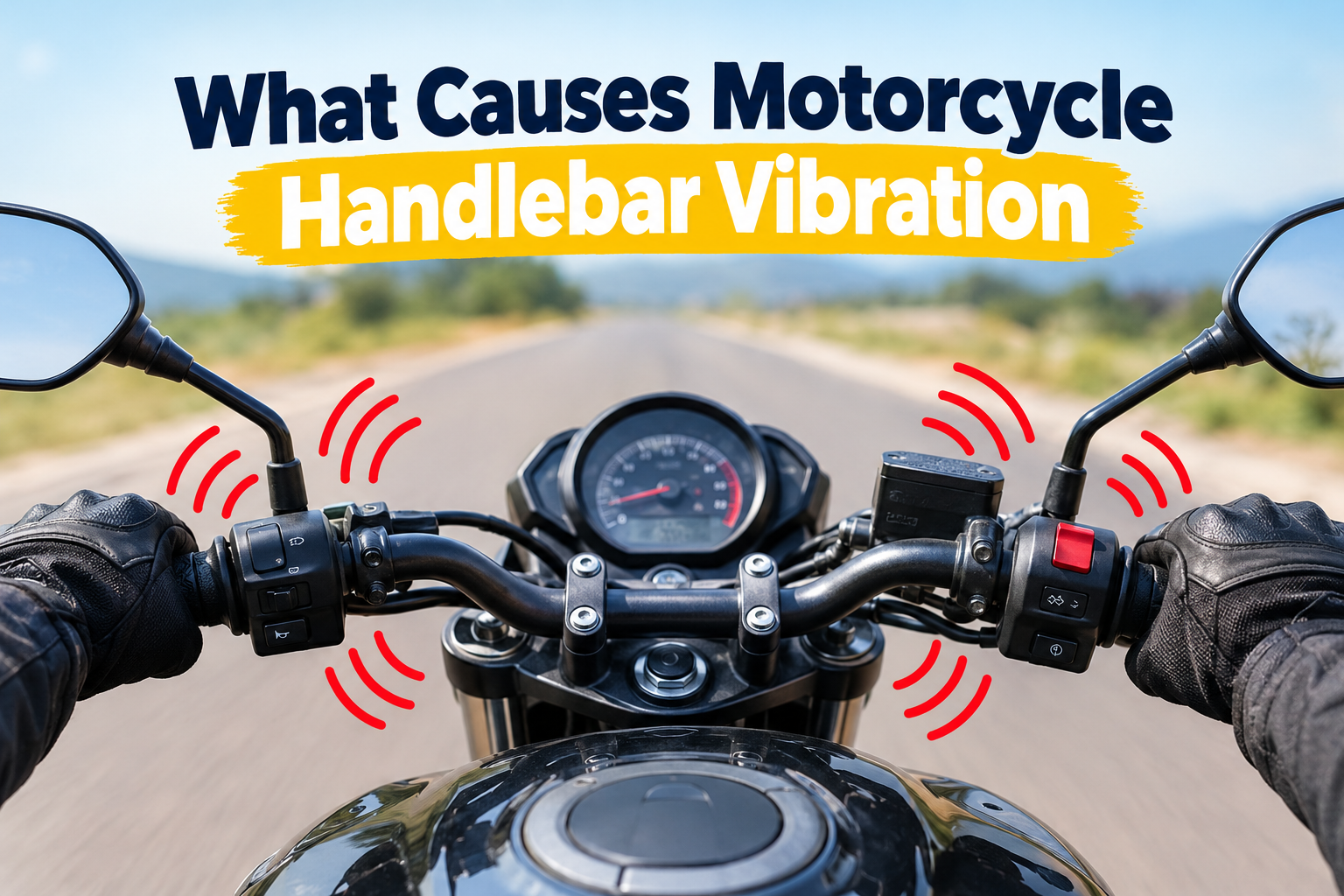
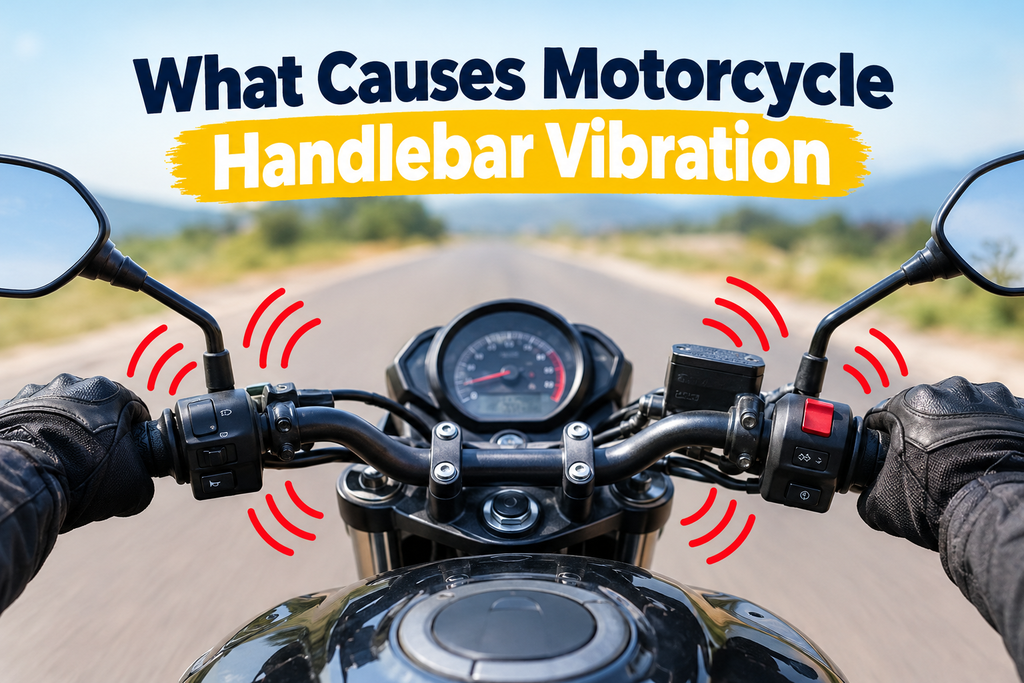
Motorcycle handlebar vibration is a common problem that many riders experience, whether they ride a small commuter bike or a powerful sports motorcycle. Sometimes, the vibration is mild and completely normal. In other cases, it can make riding uncomfortable, affect steering control, and indicate that something needs attention.
In my opinion, understanding the reason behind motorcycle handlebar vibration is important for every rider. A motorcycle communicates through its handling, engine sound, and vibrations. If the handlebars suddenly start shaking more than usual, I would never recommend ignoring the problem without checking its possible causes.
There are several reasons why motorcycle handlebars vibrate, including unbalanced tires, loose components, engine vibrations, worn wheel bearings, and incorrect tire pressure. The good news is that many of these problems can be identified and corrected with proper inspection and maintenance.
In this guide, I will explain the most common causes of motorcycle handlebar vibration, how to recognize them, and what you can do to improve your riding comfort and safety.
1. Unbalanced Motorcycle Tires
One of the most common causes of motorcycle handlebar vibration is an unbalanced front tire. Motorcycle wheels need to rotate evenly at different speeds. If the weight around the wheel is uneven, the wheel can create vibrations as it spins.
These vibrations may become more noticeable as the motorcycle accelerates. For example, you might notice that the handlebars feel relatively smooth at low speeds but begin shaking when you travel faster.
Wheel balancing is especially important after installing a new tire. Small balancing weights are attached to the wheel to correct uneven weight distribution. If these weights fall off or were not installed correctly, vibration may develop.
To solve this problem, have a motorcycle technician inspect and balance the wheel. If the tire is damaged or unevenly worn, balancing alone may not fix the issue.
2. Incorrect Tire Pressure
Incorrect tire pressure can also contribute to motorcycle handlebar vibration. Both underinflated and overinflated tires can affect the way a motorcycle handles.
When a tire has insufficient air pressure, its shape changes under the motorcycle’s weight. This can increase heat, affect stability, and cause uneven wear. An overinflated tire may have a smaller contact area with the road, potentially reducing grip and making the ride feel harsher.
I recommend checking tire pressure regularly, especially before long rides. Always follow the pressure specifications provided by the motorcycle manufacturer, usually found in the owner’s manual or on a label attached to the motorcycle.
Do not rely only on the appearance of the tire because a tire can look normal while its pressure is incorrect. Use a reliable pressure gauge when the tires are cold.
Maintaining the correct motorcycle tire pressure can improve handling, extend tire life, and help reduce vibration caused by tire-related problems.
3. Worn or Damaged Tires
Motorcycle tires gradually wear down through regular use. However, uneven wear, flat spots, cracks, and damaged areas can cause more serious handling problems.
A tire that has developed uneven tread wear may not roll smoothly across the road. This can create vibration that travels through the front suspension and into the handlebars.
Flat spots may develop when a motorcycle is stored for long periods or when the tire experiences unusual wear. Tires can also become damaged after hitting potholes, sharp objects, or road edges.
Inspect the front and rear tires for unusual wear patterns, bulges, cracks, and embedded objects. If you notice structural damage, stop riding and have the tire inspected by a qualified technician. A damaged tire may need replacement rather than repair.
Choosing good quality tires and replacing them when necessary can make a noticeable difference in motorcycle stability and comfort.
4. Loose Handlebar Components
Sometimes, the source of motorcycle handlebar vibration is not the engine or tires. It may be caused by loose components around the handlebar assembly.
The handlebars are connected to the motorcycle through clamps and mounting hardware. If these components become loose, vibration may become more noticeable during acceleration, braking, or riding over rough roads.
Loose mirrors, control assemblies, handguards, and handlebar weights can also produce rattling sensations. In some cases, the rider may hear unusual noises along with the vibration.
Check for visible looseness, but do not tighten safety critical components randomly. Handlebar clamps and related fasteners must be tightened according to the manufacturer’s torque specifications.
If the handlebars move unexpectedly, feel unstable, or appear damaged, avoid riding until the problem has been inspected and repaired.
5. Normal Engine Vibrations
Motorcycle engines naturally produce vibrations because internal components move rapidly while the engine operates. The amount of vibration depends on the engine design, cylinder arrangement, engine condition, and operating speed.
For example, some single cylinder motorcycles produce more noticeable vibration than certain multi cylinder motorcycles. This does not automatically mean that the motorcycle has a mechanical problem.
However, excessive engine vibration deserves attention. It may occur because of worn engine mounts, loose fasteners, poor combustion, or other mechanical issues.
One useful clue is when the vibration occurs. If the handlebars vibrate mainly within a particular engine RPM range, the engine or its mounting system may be contributing to the problem.
If the vibration has recently become stronger, is accompanied by unusual noises, or occurs alongside a loss of power, arrange a professional inspection.
6. Worn Wheel Bearings
Wheel bearings allow motorcycle wheels to rotate smoothly. When these bearings wear out, become contaminated, or develop damage, they can cause roughness, unusual sounds, and steering instability.
A damaged front wheel bearing can be particularly concerning because it affects the wheel responsible for much of the motorcycle’s steering control.
Possible warning signs include grinding noises, unusual wheel movement, rough rotation, or vibration that changes with road speed.
Wheel bearing problems are not always easy to identify through a simple visual inspection. A technician may need to lift the wheel safely and check for play or roughness.
If you suspect a worn wheel bearing, avoid continued riding until the problem has been assessed. Replacing damaged bearings promptly can help prevent further damage and reduce safety risks.
7. Bent Wheels or Damaged Rims
Motorcycle wheels can become bent after hitting deep potholes, curbs, or other road hazards. Even a small amount of wheel damage can affect smooth rotation and create vibration.
A bent front rim may produce symptoms that become more noticeable at higher speeds. Depending on the damage, the rider might also notice changes in steering response or tire contact with the road.
Inspect the wheel for visible dents, cracks, and irregularities. Cast wheels and spoked wheels can develop different types of damage, so the correct inspection method depends on the wheel design.
Do not assume that a wheel is safe simply because it still holds air. Some structural damage may not be obvious.
A qualified motorcycle technician can determine whether the wheel can be repaired safely or needs replacement.
8. Front Suspension Problems
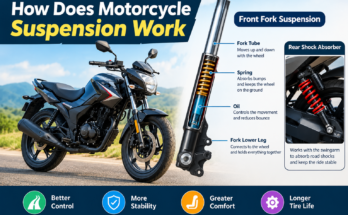
The front suspension helps absorb road impacts and keeps the front tire in contact with the road. When suspension components become worn or damaged, vibration and unstable handling may develop.
Possible causes include worn fork bushings, leaking fork seals, incorrect suspension settings, or damaged internal components.
If the handlebars shake more when riding over bumps, or the front end feels unusually harsh or unstable, the suspension deserves attention.
Fork oil condition and level can also influence suspension performance on motorcycles that use conventional oil filled forks. Incorrect maintenance may reduce their ability to absorb impacts properly.
Because the suspension directly affects steering and braking stability, serious problems should be inspected by a qualified mechanic rather than addressed through guesswork.
9. Loose or Worn Steering Head Bearings
Steering head bearings allow the front fork and handlebars to turn smoothly. If these bearings become worn, loose, or improperly adjusted, the motorcycle may develop steering problems.
Symptoms can include stiffness when turning, unusual knocking sounds, instability, or vibration transmitted through the handlebars.
In some cases, worn steering bearings can contribute to a condition known as headshake, where the front end oscillates from side to side. Headshake can have several causes, so it should not automatically be blamed on the bearings alone.
If you experience sudden or severe handlebar shaking, reduce speed smoothly if it is safe to do so, avoid abrupt steering or braking inputs, and stop in a safe location. Have the motorcycle inspected before continuing if the problem persists.
Steering components are essential safety parts, and correct adjustment is important.
10. Engine Mounts and Loose Fasteners
Engine mounts connect the engine to the motorcycle frame. They help hold the engine securely and influence how its vibrations are transmitted to the rest of the motorcycle.
If an engine mount becomes loose, damaged, or worn, more vibration may reach the frame and handlebars.
Loose exhaust brackets, footrest mounts, body panels, and other fasteners may also produce rattling noises that seem to come from the handlebar area.
Regular maintenance helps identify these issues before they become more serious. However, engine mounts and structural fasteners should be checked using the manufacturer’s recommended procedures.
If the vibration appears suddenly after servicing, an accident, or a major repair, ask a technician to inspect the components that may have been disturbed.
11. Chain and Drivetrain Problems
Although the motorcycle chain is located away from the handlebars, drivetrain problems can create vibration throughout the motorcycle.
A chain that is too tight, too loose, unevenly worn, or poorly lubricated can affect the smooth delivery of power. Worn sprockets may also contribute to rough operation.
These problems are often accompanied by unusual noises, jerking during acceleration, or vibration that changes when engine power is applied.
Check chain slack according to the motorcycle manufacturer’s instructions because the correct amount varies between models. Inspect the chain and sprockets for wear and maintain proper lubrication.
Never adjust chain tension without understanding the correct procedure. Incorrect adjustment can damage drivetrain components and create additional safety problems.
12. How to Reduce Motorcycle Handlebar Vibration
The best solution depends on the underlying cause. Replacing parts without identifying the problem can waste money and may leave the original issue unresolved.
Here are practical maintenance steps that can help:
- Check tire pressure using the manufacturer’s recommended specifications.
- Inspect both tires for uneven wear, cracks, bulges, or damage.
- Have the wheels balanced if vibration changes noticeably with road speed.
- Check handlebar mounts, mirrors, and other components for looseness.
- Inspect the wheel bearings and steering head bearings for wear.
- Arrange a suspension inspection if the front end feels harsh or unstable.
- Maintain the chain, sprockets, and engine according to the service schedule.
- Ask a qualified mechanic to investigate any sudden increase in vibration.
Some motorcycles can also benefit from suitable handlebar weights or vibration reducing grips. These accessories may improve comfort by reducing certain vibrations reaching the rider’s hands, but they cannot repair damaged bearings, unbalanced wheels, or mechanical faults.
I believe regular maintenance is more effective than relying on accessories alone. Finding the actual source of the vibration is the most important step.
13. Is Motorcycle Handlebar Vibration Dangerous?
Not every vibration indicates a serious problem. Mild, consistent engine vibration can be normal, especially on certain motorcycle designs.
However, sudden, severe, or increasing vibration should never be ignored. It may indicate tire damage, loose steering components, bearing problems, or another mechanical fault that affects safe handling.
Pay attention to when the vibration begins. Does it occur at a specific speed, during acceleration, while braking, or when riding over bumps? These details can help a technician narrow down the possible causes.
If the motorcycle develops severe shaking, steering instability, unusual knocking, or visible wheel damage, stop in a safe place and arrange professional assistance. Do not attempt to diagnose a dangerous steering problem while riding.
Conclusion
Motorcycle handlebar vibration can develop for many reasons, including unbalanced tires, incorrect tire pressure, worn bearings, damaged wheels, suspension faults, loose components, and normal engine operation.
From a practical maintenance perspective, I would start by checking the tires and looking for obvious signs of damage or looseness. If the vibration continues, becomes stronger, or affects steering stability, a professional inspection is the safest next step.
Understanding what causes motorcycle handlebar vibration helps riders recognize warning signs, maintain their motorcycles properly, and avoid unnecessary repair expenses.
The most important thing to remember is that a motorcycle should feel predictable and stable during normal riding. If its behavior changes unexpectedly, do not ignore the warning. Identifying the cause early can improve comfort, protect important components, and help keep every ride safer.