Choosing the right bike for long distance travel is an important decision for anyone who enjoys exploring new places, riding on open roads, and experiencing the freedom of traveling on two wheels. Whether I am planning a weekend trip, a long countryside ride, or a journey across several cities, I believe the right bike can make the entire experience more comfortable, enjoyable, and reliable.
A bike that works well for short daily rides may not always be suitable for long distance travel. Long journeys require a comfortable riding position, a reliable engine or drivetrain, good fuel efficiency or pedaling efficiency, dependable brakes, and enough storage for essential belongings. The right choice also depends on the type of roads, travel distance, budget, and personal riding experience.
In this guide, I will explain how to choose a bike for long distance travel, what features to consider before buying, and how to find a suitable option for your needs.
1. Understand Your Long Distance Travel Needs
Before buying a bike for long distance travel, I recommend thinking about how you plan to use it. Not every rider has the same requirements, and understanding your travel habits can help you avoid spending money on unnecessary features.
For example, someone who travels mainly on highways may need a different bike from someone who regularly rides on mountain roads or rough rural routes.
Consider these questions before making a decision:
- Will you travel mostly on highways, city roads, or uneven surfaces?
- How many kilometers do you expect to cover in one day?
- Will you travel alone or carry a passenger?
- Do you need space for luggage and travel accessories?
- What is your total budget for buying and maintaining the bike?
Answering these questions will help you narrow down your options. In my opinion, choosing a bike according to real travel needs is more useful than buying one simply because it looks attractive.
2. Choose the Right Type of Bike
Different bikes are designed for different riding conditions. Understanding the main types will help you select the best bike for long distance travel.
Touring Bikes
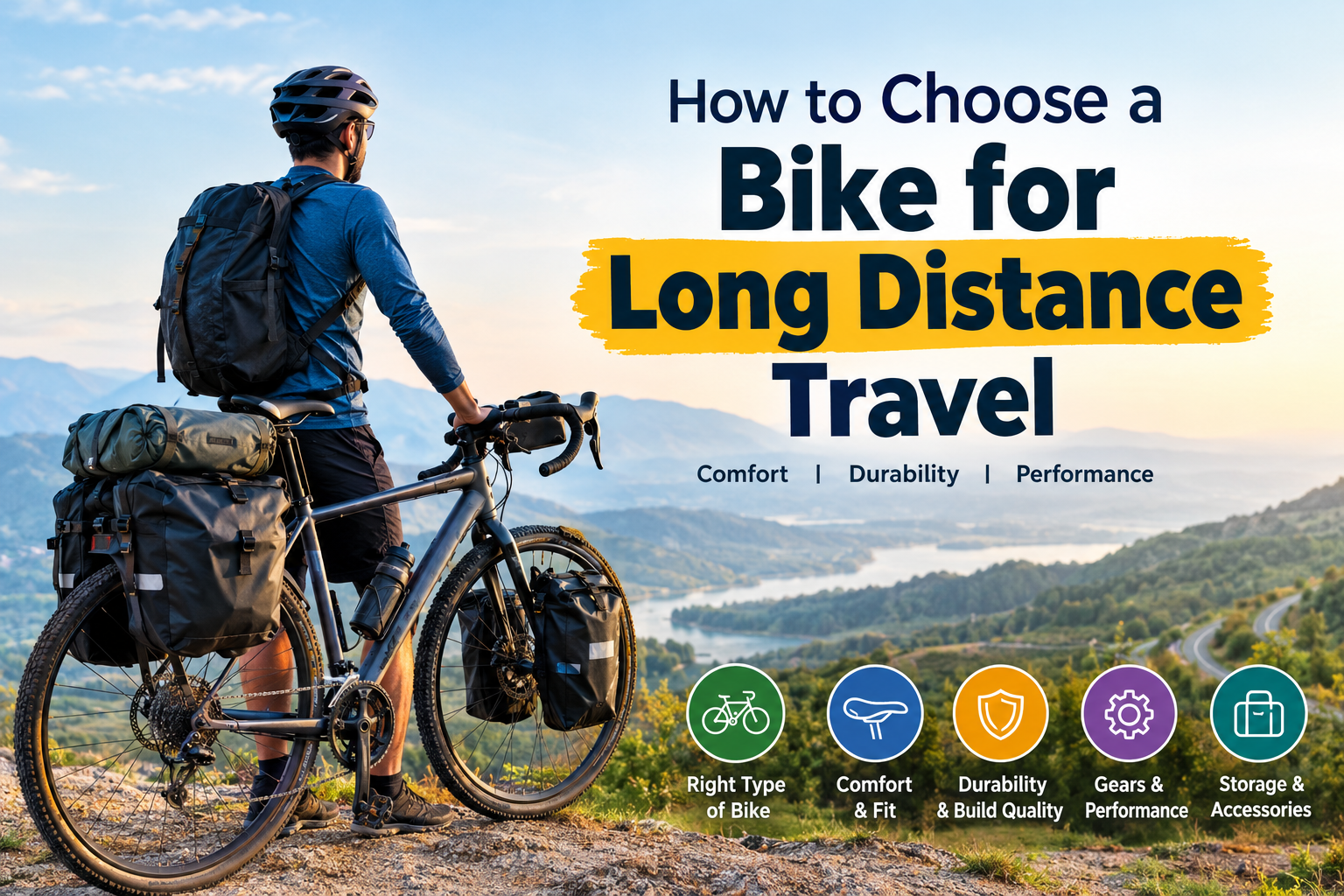
Touring bikes are designed for extended journeys and carrying luggage. They generally focus on rider comfort, stability, and practical storage options.
Motorcycle touring models may include wind protection, comfortable seats, luggage mounts, and features designed for long hours on the road. Bicycle touring models often have mounting points for racks, panniers, and other equipment.
If long journeys are your main priority, a touring bike is worth considering.
Adventure Bikes
Adventure bikes are useful for riders who travel on a mixture of paved highways and rougher roads. Many adventure motorcycles offer an upright riding position, generous ground clearance, and suspension suitable for varied terrain.
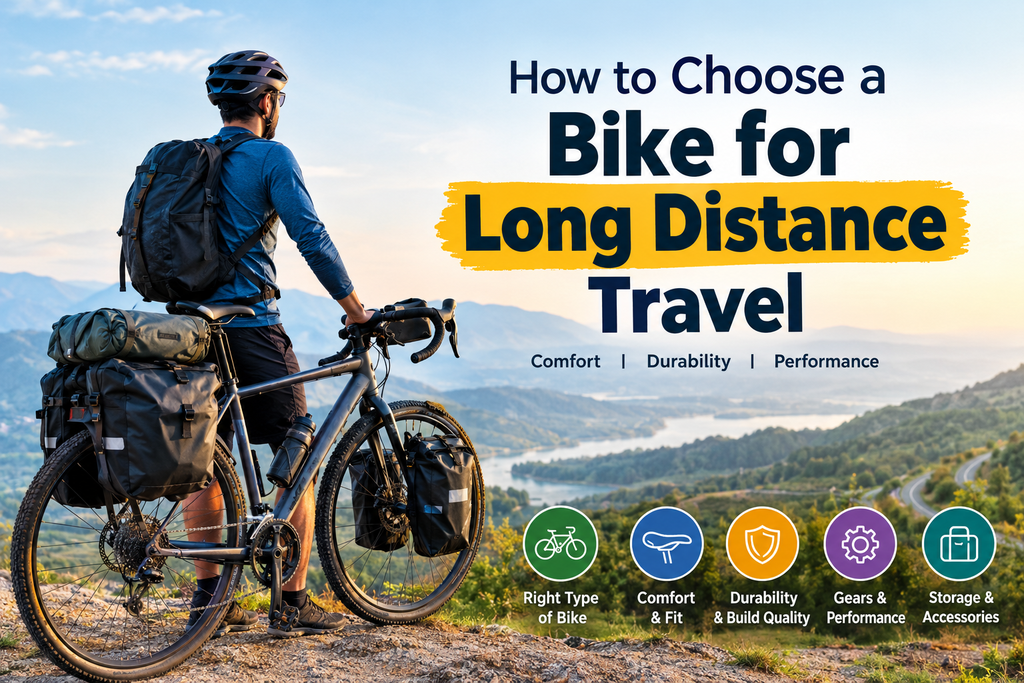
For bicycle travelers, gravel bikes and suitable touring bicycles can also handle a combination of paved roads and selected unpaved routes.
However, the best choice depends on the terrain you expect to encounter. A bike designed for off road conditions may feel less efficient on smooth roads, so consider your usual routes before buying.
Road Bikes
Road bikes are designed primarily for paved surfaces. They can be efficient for long rides because of their relatively lightweight construction and riding position.
For cyclists who want to cover long distances on smooth roads, an endurance road bike may be a good option. These models generally prioritize comfort more than aggressive racing bikes.
Commuter Bikes
Commuter bikes are designed for everyday transportation. Some are suitable for short touring trips, especially when they have comfortable seats, dependable brakes, and enough space for small bags.
However, before choosing a commuter bike for an extended journey, check whether it can comfortably handle your planned distance and luggage requirements.
3. Focus on Comfort and Riding Position
Comfort is one of the most important factors when choosing a bike for long distance travel. During an extended journey, even a small discomfort can become frustrating after several hours.
For motorcycles, look for a seat that supports your body properly, handlebars that allow a natural arm position, and footpegs that do not force your knees into an uncomfortable angle.
For bicycles, frame geometry, handlebar reach, saddle position, and saddle height all affect comfort. A professional bike fitting can help you find a suitable setup.
I would also recommend taking a test ride before buying. Pay attention to pressure on your wrists, shoulders, back, and knees. Your feet should reach the appropriate riding position without unnecessary strain.
A comfortable bike is not necessarily the one with the softest seat. Proper fit, balanced posture, and suitable suspension are equally important.
4. Check Engine Capacity or Gear Range
The required performance depends on whether you are choosing a motorcycle or a bicycle.
For motorcycles, engine capacity can influence acceleration, cruising ability, fuel consumption, and the bike’s suitability for carrying luggage. However, engine size alone does not determine performance. Weight, engine design, gearing, maintenance, and rider experience also matter.
A smaller motorcycle may be suitable for relaxed journeys on ordinary roads, while a larger engine can be useful when carrying a passenger and luggage or traveling through hilly areas. Always choose a model that suits local speed limits, road conditions, and your experience level.
For bicycles, pay attention to the gear range. Lower gears make climbing hills easier, while higher gears help maintain speed on flatter roads. A wide and practical gear range can be especially helpful when carrying travel bags.
Rather than choosing the most powerful option, I suggest selecting a bike that performs comfortably under your expected travel conditions.
5. Consider Fuel Efficiency and Running Costs
Fuel efficiency is important when choosing a motorcycle for long distance travel because fuel expenses can become a significant part of your travel budget.
Before buying, compare the real world fuel economy of different models. Manufacturer figures can be useful, but actual consumption may vary depending on speed, traffic, road conditions, luggage weight, and maintenance.
You should also consider the cost of engine oil, tires, replacement parts, routine servicing, and insurance where applicable.
For bicycles, running costs are generally different. You may need to budget for tires, brake pads, chains, lubrication, replacement cables, and occasional repairs.
In my view, the best bike is not necessarily the cheapest one to purchase. It should also be affordable to maintain over time.
6. Examine Build Quality and Reliability
A reliable bike can make long distance travel much less stressful. Mechanical problems far from home can cause delays, unexpected expenses, and safety concerns.
Before buying a motorcycle, inspect the frame, suspension, brakes, tires, electrical system, and overall finish. If you are considering a used bike, check its service records and ask about previous repairs or accidents.
For a bicycle, inspect the frame, wheels, drivetrain, brakes, and tire condition. Make sure the wheels run properly and that the gears shift smoothly.
It is also helpful to consider the availability of spare parts and repair services along your planned routes. A popular model with accessible parts may be more practical than a rare bike that requires specialized servicing.
Always arrange a professional inspection if you are unsure about the mechanical condition of a bike.
7. Choose Suitable Tires and Suspension
Tires and suspension have a major effect on comfort, stability, and control during long journeys.
For motorcycles, choose tires designed for your typical road conditions. Highway focused tires may be appropriate for mostly paved journeys, while adventure tires may suit riders who regularly encounter mixed terrain.
For bicycles, tire width and tread pattern should match the roads you intend to ride. Wider tires can offer additional comfort and grip on rough surfaces, while suitable narrower tires may roll efficiently on smooth pavement.
Suspension also matters. Motorcycles with appropriate suspension can handle bumps more comfortably, particularly when carrying luggage. Many touring bicycles rely on tire volume and frame design rather than suspension.
I recommend checking the manufacturer’s tire pressure guidance and suspension limits. Proper setup is important for both comfort and safe handling.
8. Look for Practical Storage Options
Long distance travel often requires carrying clothing, food, tools, water, documents, and other essentials. Therefore, storage should be part of your bike buying decision.
Motorcycle riders may benefit from panniers, a rear luggage box, or a suitable tank bag. Choose secure luggage that does not interfere with steering, passenger comfort, or the exhaust system.
Cyclists can consider rear racks, front racks, panniers, frame bags, and handlebar bags. The luggage system should be securely attached and balanced to avoid affecting handling.
Before buying accessories, check the bike’s approved load limits and mounting compatibility.
Avoid carrying unnecessary items. Extra weight can increase fuel consumption on motorcycles and make pedaling more difficult on bicycles.
9. Check Braking Performance and Safety Features
Reliable brakes are essential for long distance travel because road conditions can change quickly. You may encounter heavy traffic, sudden stops, steep descents, rain, or unexpected obstacles.
For motorcycles, check brake condition, braking response, and whether the model offers useful safety features such as an anti lock braking system, where available.
For bicycles, inspect brake pads, cables or hydraulic lines, and the condition of the braking surfaces. Make sure you can control the bike confidently at different speeds.
Other important safety equipment includes a properly fitted helmet, reflective clothing, lights, and suitable protective gear. Motorcycle riders should also consider gloves, protective footwear, and abrasion resistant clothing.
Before every trip, check your brakes and tires. Never ignore unusual noises, reduced braking performance, or visible damage.
10. Set a Realistic Budget
When choosing a bike for long distance travel, I recommend calculating the total cost instead of focusing only on the purchase price.
Your budget should include the bike itself, registration and insurance where applicable, protective equipment, maintenance, luggage, and any necessary upgrades.
For motorcycles, also estimate fuel costs for your expected travel distance. For bicycles, consider whether you need a rack, panniers, repair tools, spare tubes, or other touring equipment.
A slightly more expensive bike may offer better value if it is comfortable, reliable, easy to maintain, and suitable for your intended journeys.
However, expensive accessories are not always necessary. Focus on essential features first and add optional equipment as your travel needs develop.
11. Take a Test Ride Before Buying
A test ride is one of the most useful steps when deciding how to choose a bike for long distance travel.
Photos and specifications cannot tell you everything about how a bike feels. During a test ride, pay attention to stability, handling, braking, comfort, and ease of control.
For motorcycles, test the riding position, clutch operation, gear changes, and low speed maneuverability. Make sure you can manage the bike safely while stationary and during turns.
For bicycles, check saddle comfort, reach, gear shifting, and whether the frame size feels appropriate.
If possible, test the bike on roads similar to those you expect to use. Never ride a motorcycle without the required license and protective equipment, and always follow local traffic laws.
12. Prepare Your Bike Before a Long Journey
Even the right bike needs proper preparation before a long trip. A basic inspection can help identify problems before they become serious.
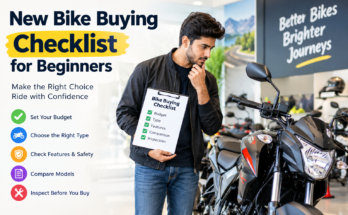
Use this checklist before departure:
- Check tire pressure and inspect tires for damage.
- Test the brakes and lights.
- Check fluid levels and look for leaks on motorcycles.
- Inspect the chain, gears, and drivetrain as appropriate.
- Secure all luggage and stay within the recommended load limit.
- Carry essential repair tools and emergency contact information.
- Plan fuel or charging stops where needed.
- Check the weather and road conditions before leaving.
For longer trips, consider having the bike serviced according to the manufacturer’s maintenance schedule. Do not attempt unfamiliar repairs on safety critical components without the appropriate skills.
Common Mistakes to Avoid When Choosing a Travel Bike
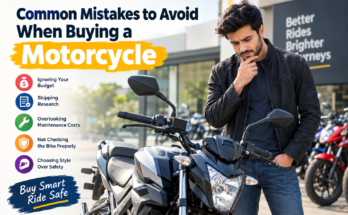
One common mistake is choosing a bike based only on appearance. A stylish bike may look impressive but still be uncomfortable for several hours of riding.
Another mistake is buying more power or features than you actually need. A heavy or expensive model may create unnecessary challenges for a beginner.
Ignoring maintenance costs is another problem. A bike that is difficult to service or has expensive replacement parts can make frequent travel less affordable.
Finally, do not skip the test ride or overlook safety equipment. Comfort, control, and reliability should always be more important than appearance alone.
Conclusion
Choosing a bike for long distance travel requires careful consideration of comfort, reliability, performance, running costs, storage, and safety. The best option depends on the roads you travel, your budget, your experience, and the amount of luggage you need to carry.
My recommendation is to start by identifying your travel needs, compare suitable bike types, and focus on practical features rather than appearance alone. Test ride your preferred options, check maintenance requirements, and make sure the bike fits your body and riding experience.
Whether you choose a touring motorcycle, an adventure bike, an endurance road bike, or a touring bicycle, the right choice can make your journeys more enjoyable and manageable. With proper preparation and regular maintenance, you can travel with greater confidence and spend more time enjoying the road ahead.
Frequently Asked Questions
1. Which bike is best for long distance travel?
The best bike depends on your needs. Touring motorcycles are designed for extended motorcycle journeys, while touring bicycles and endurance road bikes can be suitable for long cycling trips. Consider comfort, terrain, luggage, and budget before deciding.
2. Is a powerful engine necessary for long distance motorcycle travel?
No. A motorcycle does not always need a large engine for long distance travel. Choose an engine that can comfortably handle your usual roads, passenger requirements, luggage, and expected speeds.
3. What features matter most in a travel bike?
Comfortable ergonomics, dependable brakes, suitable tires, reliable construction, practical gearing, and accessible maintenance are among the most important features.
4. Should I buy a new or used bike for touring?
Both can be good options. A new bike offers a known starting condition, while a used bike may cost less. Before buying used, inspect its maintenance history, mechanical condition, and replacement part availability.
5. How can I make long distance bike travel more comfortable?
Choose the correct frame size or motorcycle fit, adjust the riding position, use suitable luggage, maintain proper tire pressure, and take regular breaks. Build your riding endurance gradually before attempting especially long journeys.